
Sillonnant les points chauds de la planète et déjouant les complots ourdis par des puissances maléfiques jusque dans l’espace, Tintin est sans doute le plus illustre géopoliticien du XXᵉ siècle — et sa légende n’est pas près de s’estomper. Les circonstances actuelles aidant, sa pertinence ne fait que se confirmer. Prenons simplement Le Lotus bleu. Le jeune reporter y suit la trace d’un réseau international de trafiquants d’armes et d’opium déjà mis au jour dans Les Cigares du Pharaon. Le cinquième album d’Hergé se déroule ainsi dans une Chine écartelée entre les grandes puissances de l’époque — la Grande-Bretagne, la France, les États-Unis et le Japon — qui imposent au pays une diplomatie de la canonnière destinée à asseoir leurs intérêts économiques et politiques.
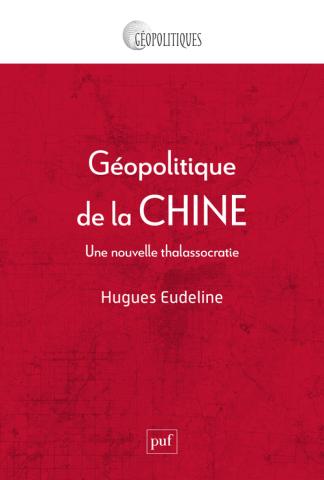
Dans son brillant ouvrage Géopolitique de la Chine : Une nouvelle thalassocratie (PUF), le spécialiste de géopolitique maritime et militaire Hugues Eudeline rappelle que « faute d’avoir pu disposer d’une force militaire et navale moderne, l’empire du Milieu a été contraint de faire des concessions et a subi une humiliation dont la mémoire se transmet de génération en génération. » L’auteur détaille comment la Chine a navigué « pas à pas » vers son positionnement actuel de compétitrice à la domination des États-Unis, ces « héritiers historiques de la Grande-Bretagne », en tant que puissance maritime.
poursuivre la lecture
 BookMarc