
La paix n’est assurée qu’aux forts

« Comme le disait le général MacArthur, « les batailles perdues se résument en deux mots : trop tard » ». Cette citation synthétise parfaitement la pensée du général d’armée (retraité) Pierre de Villiers dans Pour le succès des armes de la France (Fayard). Il y expose sa vision de la nécessité, pour la France — et l’on pourrait même oser dire pour tout pays aspirant à être respecté sur la scène internationale —, d’être équipée moralement, physiquement et sur le plan capacitaire face aux dangers qui guettent le monde dans ce que Dominique de Villepin qualifie brillamment de « nouvel âge de fer », au sein duquel se « redessine une nouvelle géographie de la puissance au croisement de la logistique et du rapport de forces », dans Le Pouvoir de dire non (Flammarion).

Le 19 juillet 2017, Nathalie Guibert publiait dans Le Monde un article dévoilant les dessous de la démission, survenue l’avant-veille, du général de Villiers de son poste de chef d’état-major des armées. Le 12 juillet précédent, le hussard de la République avait énoncé, en commission parlementaire, « les enjeux de la défense nationale : les menaces, l’autonomie stratégique de la France, la dissuasion, les opérations, l’engagement jusqu’à l’usure de ses armées ». Le lendemain, le président de la République avait publiquement tancé les militaires en affirmant : « Je suis votre chef », leur rappelant qu’il n’avait pas de leçon à recevoir de ses troupiers. L’heure de la retraite devait sonner pour le CEMA.

poursuivre la lecture
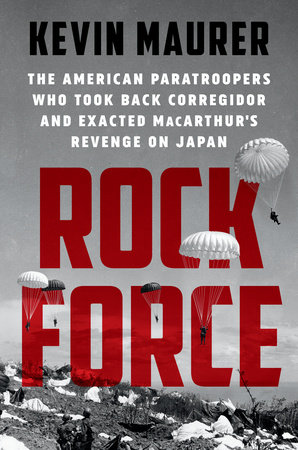
Fulfilling MacArthur’s Promise

In a recent interview for this blog, I questioned former Gurkhas commanding officer General Sir Peter Duffell about the reasons why Viscount Slim – the victor of Burma – is less recognized in popular culture than Field Marshal Montgomery for his contribution to victory in World War II. Montgomery, he replied “[…] was much the better-known British Commander because his campaigns were fought much closer to home [North Africa, D-Day, Arnhem].” In a certain way, much the same applies to the fighting of the American forces. Anyone visiting Washington, D.C., can admire the impressive Iwo Jima Memorial, but movies, bookstores and the remembrance rationale are largely dominated by the fight in Europe.

Fortunately, recent years have offered the publication of excellent books about the Pacific theater – for example the contribution of China to the Allied war effort. As we observe and live the geopolitical shift towards Asia, this literature is not only a welcoming phenomenon to better understand the Second World War, but also to navigate the troubled seas of the current world order. Thankfully, the increasing interest generated by the war in the Pacific will be of assistance to further develop our historical conscience in that direction.

I was therefore thrilled to read Rock Force: The American Paratroopers Who Took Back Corregidor and Exacted MacArthur’s Revenge on Japan (Caliber) by Kevin Maurer. Having been forced to evacuate the island on 11 March 1942, General MacArthur only makes his entrance in the story at the very end, after the men of the 503rd Parachute Infantry Regiment neutralized the Japanese troops assigned to defend the strategic sentry island guarding the entrance of Manila Bay.

Continue reading “Fulfilling MacArthur’s Promise”