Le Hamas, ennemi mortel de l’Occident

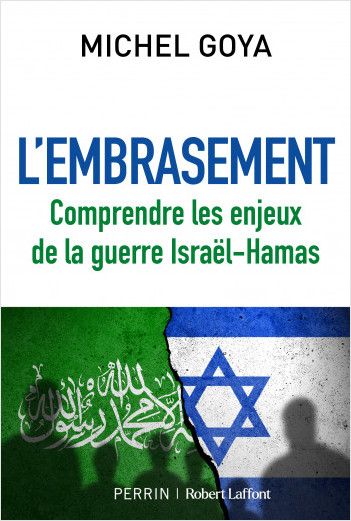
J’ai toujours apprécié la plume et les analyses de Michel Goya et j’étais impatient de plonger le nez dans son dernier livre L’embrasement : Comprendre les enjeux de la guerre Israël-Hamas (Perrin / Robert Laffont). À quelques bémols près, sur lesquels je reviendrai en deuxième partie, je n’ai pas été déçu.

Dans la tourmente actuelle, un constat s’impose. Israël a très mal jaugé son adversaire. Le Hamas est à des années lumières d’une troupe de lanceurs de pierres ou de terroristes improvisés. C’est un ennemi mortel « bien organisé et bien équipé », faisant preuve d’ingéniosité qui a laissé l’armée israélienne aveugle et sourde devant le péril qui se dessinait et qui l’a frappé au crépuscule le 7 octobre.

À cet égard, certains passages m’ont causé beaucoup d’étonnement. D’abord, celui de l’utilisation par le Hamas, d’« une flotte de petits drones-munitions bricolés, [grâce à laquelle] l’organisation terroriste détruit [au moment de son incursion sanguinaire] caméras optiques et thermiques, détecteurs de mouvement, antennes-relais sur la clôture et les tours de guet ainsi que les mitrailleuses téléopérées placées dans des petites tours en béton. » Comme quoi la meilleure technologie du monde doit parfois s’agenouiller devant des adversaires déterminés qui savent la contourner. Ce dont atteste une seconde affirmation, selon laquelle « le service de renseignement du Hamas a cartographié patiemment tous les points sensibles le long de celle-ci [la barrière de sécurité entre Gaza et Israël] et organisé très précisément la manière de les neutraliser. »

poursuivre la lecture
“It’s hard to be a Jew”

Mark Twain declared that “history doesn’t repeat itself, but it often rhymes.” Any student of Israel’s history certainly had that feeling on October 7, when the country was attacked the day after the festival of Sukkot, a significant moment in the Jewish calendar. Historians will undoubtedly spend lots of time and expertise drawing similarities between the surprise attack that marked the start of the Yom Kippur War on October 6, 1973, and the latest murderous incursions launched by Hamas terrorists last month.

Few weeks prior to that “date which will live in infamy” to borrow FDR’s words, author Uri Kaufman released an enthralling book, Eighteen Days in October: The Yom Kippur War and How It Created the Modern Middle East (St. Martin’s Press). From cover to cover, this book details the very existential nature of this war – or any armed conflict – for Israel’s survival. On several occasions, Israel could have lost, marking the end of the Jewish State.

Continue reading ““It’s hard to be a Jew””

Netanyahu Was Right

I had the privilege of meeting Israeli Prime Minister Benjamin Netanyahu years ago. During our discussion, he stressed the fact that it was crucial to support Israel because it is the first line of defense of the West and its values. As a commando soldier, diplomat and statesman, this man has accumulated a vast experience fighting extremism in its most brutal forms.

I was therefore not surprised to learn that he was the first world leader to make a congratulatory call to President Donald Trump, after the Americans liberated the world of the nefarious presence of Qasem Soleimani, the Iranian warlord in charge of the Revolutionary Guards who was a combination of “James Bond, Erwin Rommel, and Lady Gaga rolled into one” for his supporters.

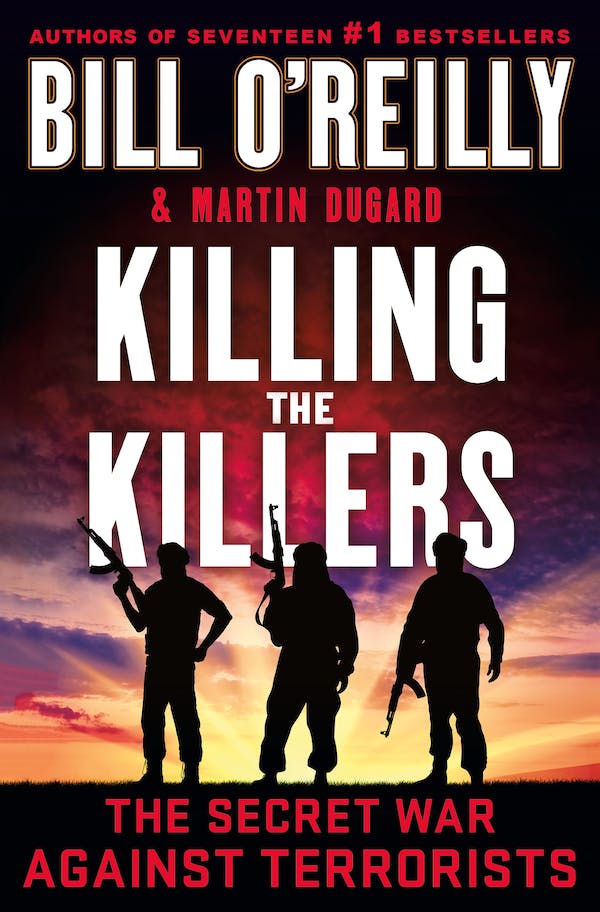
That information is revealed in Killing the Killers: The Secret War Against Terrorism (St. Martin’s Press) by veteran journalist Bill O’Reilly and acclaimed author Martin Dugard, whose books I reviewed on this blog.

Continue reading “Netanyahu Was Right”

Why the IDF prevails

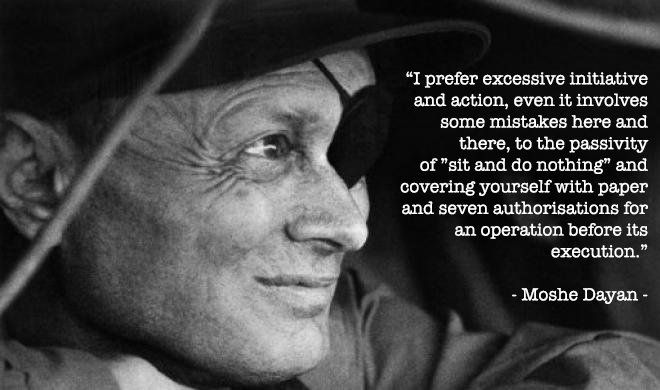
MosheDayanQuoteMy understanding of history and my numerous visits in Israel nourished my conviction that – confronted with continuous and lethal threats since its rebirth in 1948 – this country would not have survived without the capacities of the Israel Defense Forces (IDF).

A recent article by Raphael D. Marcus in the Journal of Strategic Studies has brought yet another proof to support this assertion.

In July 2014, Israel was forced to launch Operation “Protective Edge” to counter Hamas murderous attacks on Israel from Gaza. Along the way, IDF would have to turn on a dime, since “[…] Hamas had developed an extensive network of tunnels, with some designed to infiltrate large numbers of fighters into Israel to kill or kidnap soldiers and civilians.”

If it was to be victorious, IDF needed to cope with the new reality. And, based on a “[…] leadership style that is open and dynamic [and] which improves its ability to learn and adapt” – in the pure German military tradition of Auftragstaktik – it did just that, relying on the autonomy, creativity and audacity of its human capital – its boots on the ground.

The Yahalom Unit (the main unit with expertise in underground warfare) was therefore tasked with the development of the operational response to Hamas tunnel warfare and to share its expertise with other units on the ground. The forces active on the theater of operations could then implement the lessons learnt and improvise the actions to be taken to destroy the tunnels and neutralize the enemy.

At the end of the day, the unconventional mindset of the IDF was the best asset to prevail over an irregular enemy that will never stop seeking to hurt Israel. In the words of a former Bridage Commander involved in the 2014 war: “Surprises are part of war. The question is who recovers first.”

I just loved every page of that excellent article, which I recommend to anyone interested in learning how the best military minds craft victories.