Mahan’s Ideas Sank Hitler’s Ambitions at Sea

In their illuminating book about Winston Churchill’s involvement in the discussions, planning, and logistics surrounding the Normandy landings on D-Day, Lord Richard Dannatt and Allen Packwood describe how the duties of wartime leadership took a significant toll on the British Prime Minister’s health. But as Churchill himself admitted, there was only one thing that truly filled him with fear: the German U-boats that claimed so many Allied ships during the Battle of the Atlantic. And it’s easy to see why. Britain was isolated entirely – hemmed in by Nazi-occupied Europe, with America still months away from entering the war.

The attack on Pearl Harbor on December 7, 1941, changed everything. When Japanese forces shattered the peace of that Sunday morning, Churchill knew he finally had a powerful ally in President Franklin D. Roosevelt. Roosevelt would not only commit U.S. troops against the Axis but would also put into practice the doctrine of Alfred Thayer Mahan – the naval strategist who argued that “the sea has been the element through which history’s most decisive wars have been won”, as French researcher Antony Dabila reminds us.

Continue reading “Mahan’s Ideas Sank Hitler’s Ambitions at Sea”

Winning the Battle of Britain

Since the Battle of Britain officially ended on October 31st, 1940, a review of The Battle of Britain by James Holland in the Ladybird Expert Series (Penguin Random House) remains timely in the aftermath of the commemoration of the 84th anniversary of that pivotal episode of World War II on September 15th – just a few days ago.

I might have written it before, but the greatest merit of James Holland’s book in this collection is to offer the reader the most important aspects of the battles he writes about. The Battle of Britain certainly makes no exception to that rule.

Right from the beginning, Adolf Hitler is aware that he needs to knock Britain out of the war, if he is to be successful in his ambitions. The prospects of appeasement decreased as Winston Churchill grew stronger in his role as Prime Minister. After the successful British evacuation at Dunkirk, the feldgrau horde needs to take London by force. But “it would be suicidal to attempt a Channel crossing without command of the skies and sea lanes secure.”

Continue reading “Winning the Battle of Britain”

Prince Philip at Matapan

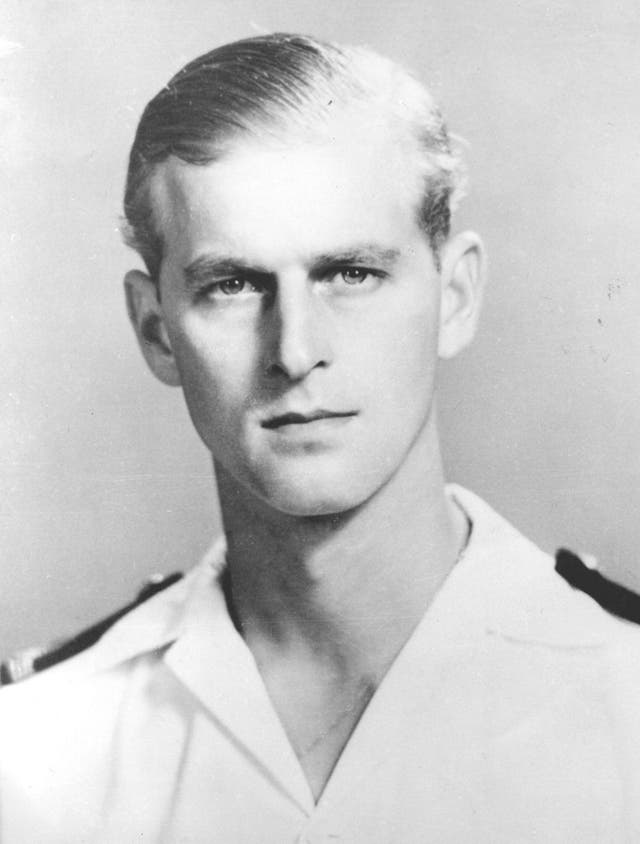
HRH The Duke of Edinburgh (source: Town & Country Magazine)

During my interview with him about the Battle of Matapan, renowned author and professor Craig L. Symonds suggested that I get in touch with Dr. Richard Porter to get a better sense of what the Duke of Edinburgh accomplished during this fateful day on the sea. Dr. Porter is Curator of The Britannia Museum at the Britannia Royal Naval College in Dartmouth.

Being fascinated with Prince Philip in general and his role during World War II in particular, I was extremely happy to get in touch with Dr. Porter, who kindly replied to me despite a demanding schedule. Even though the Duke of Edinburgh is no longer front and center in the news media, I’m sure all the enthusiasts of military history will appreciate this text.

Without further introduction, here is the full content of his response.

A Midshipman was the lowest form of naval life.

Prince Philip was appointed to the WW1 Battleship HMS Valiant in January 1940. He was one of 20 Midshipmen out of a crew of 1200. As he put it, a Midshipman was the lowest form of naval life. He also makes the point that with a crew of 1200 information was not easily relayed to all crew members, even so even the Midshipmen were aware that the Italian Fleet was thought to be at sea. Prince Philip thought that there was definitely a ‘special atmosphere of anticipation as the Fleet put to sea from Alexandria during the night of 27 March’. The Prince’s Action Station was on the Bridge and at night he had control of the port searchlight. From that position he managed to gather roughly what was going on.

Continue reading “Prince Philip at Matapan”

Le prince Philip a pris part à une bataille navale souvent négligée

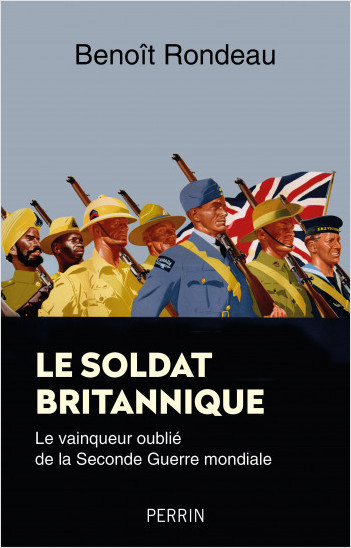
La réputation de l’historien militaire Benoît Rondeau n’est plus à faire. Il a déjà publié des livres et biographies remarqués au sujet de Rommel, Patton et l’Afrikakorps pour ne citer que ces exemples.

Le 22 avril prochain, les Éditions Perrin publieront son nouveau livre Le soldat britannique : Le vainqueur oublié de la Seconde Guerre mondiale.

Dans le contexte du décès de Son Altesse royale le Duc d’Édimbourg, la maison d’édition m’a généreusement donné la permission de partager quelques extraits relatifs au prince Philippe. Qu’ils en soient sincèrement remerciés, en cette journée où je tiens à manifester tout mon respect et ma profonde gratitude envers le Duc d’Édimbourg.

Le prince Philip a servi dans la Royal Navy sur les fronts de la Méditerranée et du Pacifique durant le conflit mondial. Benoit Rondeau résume ainsi l’importance du premier dans la conduite de la guerre :

Continue reading “Le prince Philip a pris part à une bataille navale souvent négligée”

“Prince Philip was a serious and accomplished naval officer before he was a member of the Royal Family” – Naval Historian Craig L. Symonds

Prince Philip during in service in the Royal Navy (source: The Independent).

In my humble opinion, one of the aspects that deserves the most interest about the Duke of Edinburgh was his military service in the Royal Navy during World War II. As I’m right into reading the French edition of Professor Craig L. Symonds excellent book World War II at Sea (Oxford University Press, 2008, published in French under the title Histoire navale de la Seconde Guerre mondiale and published by Éditions Perrin at the beginning of this year), I submitted a few questions to this internationally renowned specialist about maritime warfare and the significance of Prince Philip’s service in the Royal Navy. Professor Symonds generously accepted to respond to my questions and I am extremely pleased, on this very day when we bid a final farewell to His Royal Highness the Duke of Edinburgh, to share this exchange here.

Anyone interested in learning more about the naval dimension of World War II should definitely get a copy of his insightful and well-written book.

The strategic significance of the battle of Cape Matapan was that it dissuaded Italian naval authorities from attempting to exert influence in the eastern Mediterranean afterward.

In your book, you explain that the Battle of Cape Matapan – in which the late Duke of Edinburgh took part – clipped the wings of Mussolini’s Navy in the Mediterranean Sea. In the larger context of the war, could you tell us more about the significance / importance of the battle?

Continue reading ““Prince Philip was a serious and accomplished naval officer before he was a member of the Royal Family” – Naval Historian Craig L. Symonds”