As the Curtain Fell in 1945

War calls upon the best or the worst in human nature, and the final phases of World War II are no exception to that iron law. From Berlin to Tokyo, with stops in Italy and at Montgomery’s HQ, James Holland and Al Murray present a gallery of fascinating—though at times repugnant—figures in Victory ’45: The End of the War in Eight Surrenders (Grove Atlantic).

First, the courageous


On September 2, 1945, General Jonathan M. Wainwright stood on the deck of the USS Missouri—“the ship [that] look[ed] rather like a giant hedgehog”—for the signing of the official instrument of Japan’s surrender. General Douglas MacArthur handed him one of the five fountain pens he used to sign the documents. World War II thus ended for the commander who had been forced to raise the white flag in the Philippines in May 1942 and then endured three and a half years of harsh captivity at the hands of their cruel custodians. Even though Wainwright viewed the pen as “a wholly unexpected and very great gift”, it remained a modest compensation for enduring “one of the worst military defeats in American history,” for which MacArthur bore no small share of responsibility.

Continue reading “As the Curtain Fell in 1945”
The Pacific Theatre should no longer take a backseat to the war in Europe during WW2

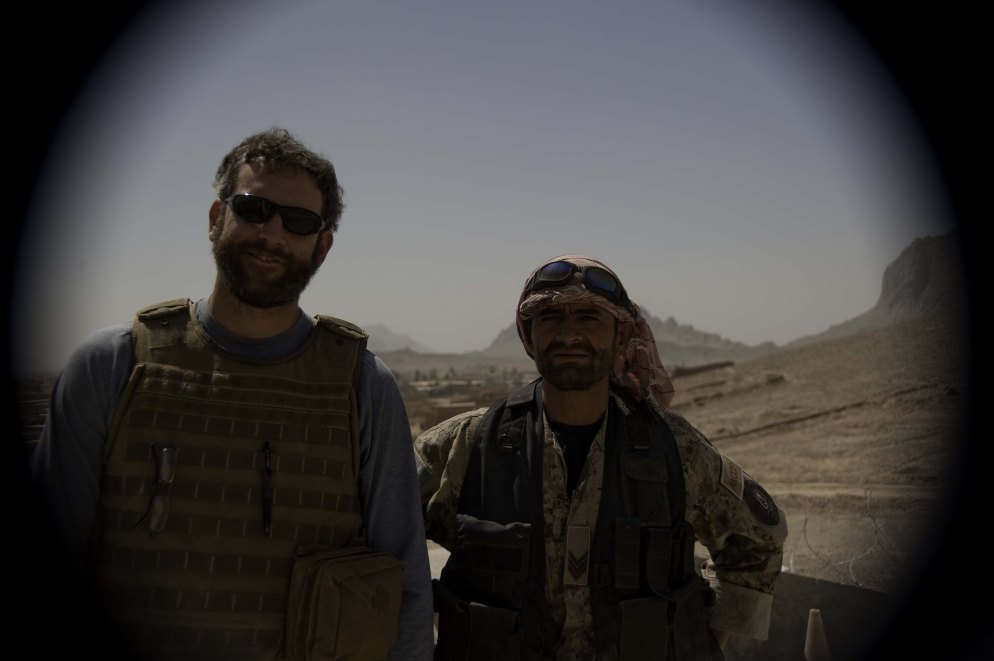
Author Kevin Maurer with and ANCOP officer (Afghan National Civil Order Police) in Kandahar in 2010 (source: Kevin Maurer)

In the aftermath of my review of the impressive book Rock Force, author Kevin Maurer kindly accepted to answer questions for this blog. Here is the content of our interesting exchange.

Rock Force is an excellent book and now ranks among my favorites. Where did the idea of this book come from?

The idea came from my editor, Brent Howard. We were talking about World War II books and he mentioned his grandfather jumped with the 503rd. He said no one had really told the story in a narrative fashion, so I took the challenge. It was great working with Brent because from the start, it was clear he was as invested in the success of the book as I was. He was an amazing collaborator and the book is much better thanks to his edits.

I wrote Rock Force at night from 8 p.m. to 11 p.m.
Continue reading “The Pacific Theatre should no longer take a backseat to the war in Europe during WW2”

Fulfilling MacArthur’s Promise

In a recent interview for this blog, I questioned former Gurkhas commanding officer General Sir Peter Duffell about the reasons why Viscount Slim – the victor of Burma – is less recognized in popular culture than Field Marshal Montgomery for his contribution to victory in World War II. Montgomery, he replied “[…] was much the better-known British Commander because his campaigns were fought much closer to home [North Africa, D-Day, Arnhem].” In a certain way, much the same applies to the fighting of the American forces. Anyone visiting Washington, D.C., can admire the impressive Iwo Jima Memorial, but movies, bookstores and the remembrance rationale are largely dominated by the fight in Europe.

Fortunately, recent years have offered the publication of excellent books about the Pacific theater – for example the contribution of China to the Allied war effort. As we observe and live the geopolitical shift towards Asia, this literature is not only a welcoming phenomenon to better understand the Second World War, but also to navigate the troubled seas of the current world order. Thankfully, the increasing interest generated by the war in the Pacific will be of assistance to further develop our historical conscience in that direction.

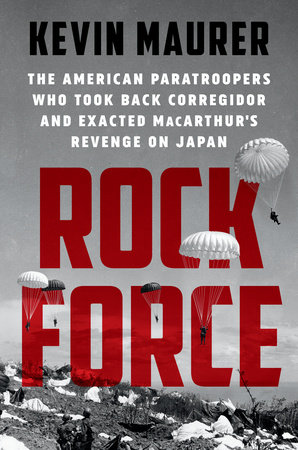
I was therefore thrilled to read Rock Force: The American Paratroopers Who Took Back Corregidor and Exacted MacArthur’s Revenge on Japan (Caliber) by Kevin Maurer. Having been forced to evacuate the island on 11 March 1942, General MacArthur only makes his entrance in the story at the very end, after the men of the 503rd Parachute Infantry Regiment neutralized the Japanese troops assigned to defend the strategic sentry island guarding the entrance of Manila Bay.

Continue reading “Fulfilling MacArthur’s Promise”