The kitchens of the Tsar

On June 24, 2023, Yevgeny Prigozhin – the former convict-turned-entrepreneur-turned-warlord, shook the pillars of the Kremlin. The eyes of the world were riveted on the screens while Wagner mercenaries drove to Moscow. The leader had had enough of Russia’s military leadership that was, in his opinion, responsible for the state of things in Ukraine. Could it be the end of the régime? Few could predict what would happen. At the end of the day, Vladimir Putin prevailed, but the mutiny revealed the character of a man who thought bigger of himself than he could deliver.

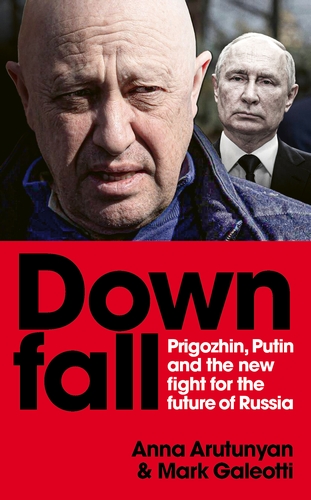
In the recent book Downfall: Prigozhin, Putin and the new fight for the future of Russia (Ebury Press) they co-wrote, journalist Anna Arutunyan and renowned Russia observer Mark Galeotti explain why and how Prigozhin – the servant who forgot his place – embarked on his death knell on what could be described as his highway to hell.

Since Prigozhin intertwined his destiny with Vladimir Putin’s reign, his biography can’t be dissociated from the nature and the functioning of the régime he eagerly served for his good fortune. Comparing the Kremlin to a medieval court where adhocracy prevails, the authors explain that one’s influence and fate are related to its importance to the Tsar.

Continue reading “The kitchens of the Tsar”

Waking up the American giant

Yesterday, December 7th, marked the infamous 83rd anniversary of the Japanese air raid against Pearl Harbor. This reckless decision would provoke the evaporation of the last isolationist emanations in American public life and pave the way to the Allied victory four years later. But before we got there, a war would need to be fought and waged against a determined and “extremely inflexible” enemy – to use the words of renowned historian James Holland – a favourite of this blog, in case you haven’t noticed.

A few years ago, he wrote a very insightful book in the Ladybird Expert Series about The Pacific War 1941-1943 (Penguin Random House), and I told myself this weekend would be the ideal time to write a few lines about it.

The morning of December 7 was a shocking experience resulting from their underestimation of a lethal nemesis. The Americans took the hit and bounced back. Ultimately, their victory was the result of three crucial ingredients. First, men and resources, which they had in abundance. Second, they had a second-to-none capacity in terms of intelligence, which notably thwarted Admiral Yamamoto’s plan and would ultimately cost him his life. Third, the incomparable leadership of military figures like Admirals Chester Nimitz and William “Bull” Halsey Jr. About the latter, the author evokes that he “gelled immediately” with General Douglas MacArthur – the latter being traditionally a hard-to-get-along figure. Together, “they planned a series of leapfrogging operations, drawing on hard-won experience already gained in the Pacific and on the United States’ burgeoning military might.” Finally, “they were quick to absorb the lessons of war.”

Continue reading “Waking up the American giant”

Heeding Wellington’s Advice

Dr. Seth G. Jones (source: CSIS)

In the aftermath of my review of his excellent book, Three Dangerous Men: Russia, China, Iran and the Rise of Irregular Warfare, its author Dr. Seth G. Jones accepted to answer my questions. Our exchange occurred before the start of the invasion of Ukraine. With cyber warfare at the disposal of current armies – like the crashing of the Kremlin website today – the content of this insightful book is ever more pertinent. And Dr. Jones is the best specialist to better understand this new way of conducting war.

Here is the content of this fascinating exchange.

Valery Gerasimov has been an avid student of U.S. military campaigns.

Dr. Jones, in Three Dangerous Men, one of the things I found most interesting was the reading habits of Russian General Valery Gerasimov. Apart from devouring tomes about Russian military doctrine and history, do you know if he is also interested in learning about Western figures and military episodes?

Valery Gerasimov has been an avid student of U.S. military campaigns. He closely studied U.S. operations in Bosnia, Kosovo, Afghanistan, Iraq, Libya, and other countries. Gerasimov concluded that the United States had moved away from what he called the “traditional” approach to warfare and toward a “new,” more clandestine approach, which he termed a “concealed use of force.” Gerasimov’s study of the United States was instrumental in evolving Russia’s own military doctrine, strategy, and tactics—including its use of irregular warfare.

Continue reading “Heeding Wellington’s Advice”

The Pacific Theatre should no longer take a backseat to the war in Europe during WW2

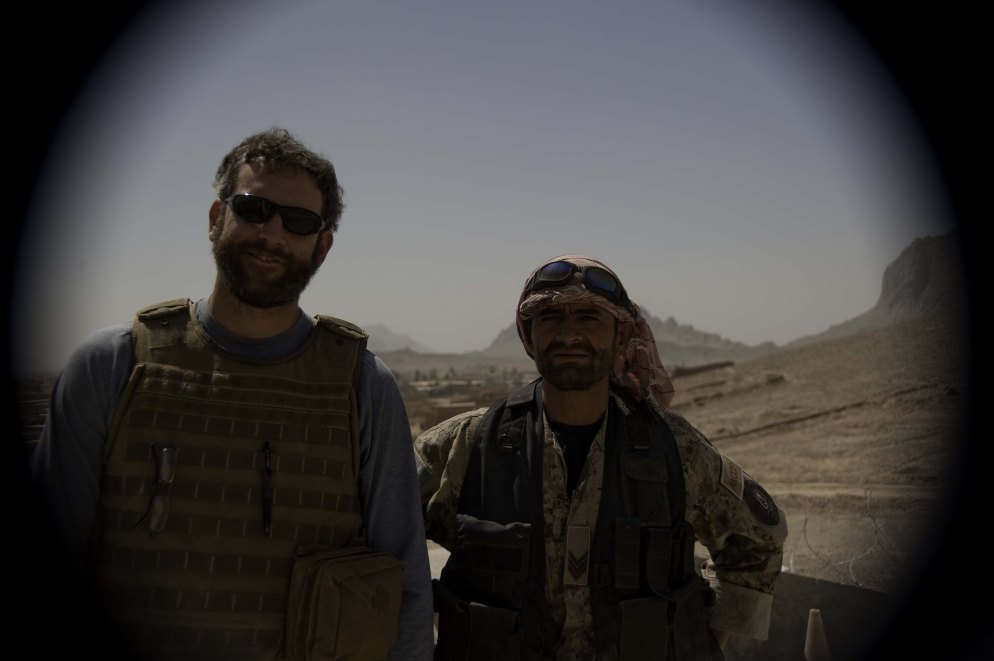
Author Kevin Maurer with and ANCOP officer (Afghan National Civil Order Police) in Kandahar in 2010 (source: Kevin Maurer)

In the aftermath of my review of the impressive book Rock Force, author Kevin Maurer kindly accepted to answer questions for this blog. Here is the content of our interesting exchange.

Rock Force is an excellent book and now ranks among my favorites. Where did the idea of this book come from?

The idea came from my editor, Brent Howard. We were talking about World War II books and he mentioned his grandfather jumped with the 503rd. He said no one had really told the story in a narrative fashion, so I took the challenge. It was great working with Brent because from the start, it was clear he was as invested in the success of the book as I was. He was an amazing collaborator and the book is much better thanks to his edits.

I wrote Rock Force at night from 8 p.m. to 11 p.m.
Continue reading “The Pacific Theatre should no longer take a backseat to the war in Europe during WW2”

Fulfilling MacArthur’s Promise

In a recent interview for this blog, I questioned former Gurkhas commanding officer General Sir Peter Duffell about the reasons why Viscount Slim – the victor of Burma – is less recognized in popular culture than Field Marshal Montgomery for his contribution to victory in World War II. Montgomery, he replied “[…] was much the better-known British Commander because his campaigns were fought much closer to home [North Africa, D-Day, Arnhem].” In a certain way, much the same applies to the fighting of the American forces. Anyone visiting Washington, D.C., can admire the impressive Iwo Jima Memorial, but movies, bookstores and the remembrance rationale are largely dominated by the fight in Europe.

Fortunately, recent years have offered the publication of excellent books about the Pacific theater – for example the contribution of China to the Allied war effort. As we observe and live the geopolitical shift towards Asia, this literature is not only a welcoming phenomenon to better understand the Second World War, but also to navigate the troubled seas of the current world order. Thankfully, the increasing interest generated by the war in the Pacific will be of assistance to further develop our historical conscience in that direction.

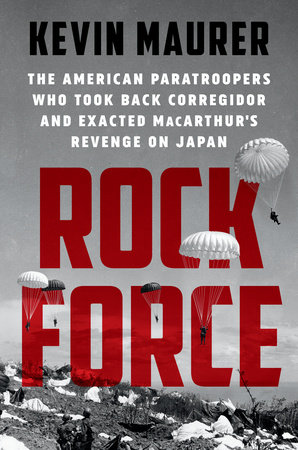
I was therefore thrilled to read Rock Force: The American Paratroopers Who Took Back Corregidor and Exacted MacArthur’s Revenge on Japan (Caliber) by Kevin Maurer. Having been forced to evacuate the island on 11 March 1942, General MacArthur only makes his entrance in the story at the very end, after the men of the 503rd Parachute Infantry Regiment neutralized the Japanese troops assigned to defend the strategic sentry island guarding the entrance of Manila Bay.

Continue reading “Fulfilling MacArthur’s Promise”