La ruse, cette égalisatrice de puissance

La série télévisée Valley of Tears (La vallée des larmes) diffusée sur HBO Max relate le début de la guerre du Kippour – jour le plus sacré du calendrier juif – qui a été initiée par la Syrie et l’Égypte le 6 octobre 1973. Dans cette série, un jeune officier du renseignement, Avinoam, s’évertue sans succès à prévenir ses supérieurs du danger qui guette Israël par les informations qu’il est parvenu à glaner en espionnant des conversations téléphoniques syriennes. Jérusalem sortira vainqueure du conflit 19 jours plus tard, mais la conscience nationale restera traumatisée par cet épisode.

« La surprise est bien plus que la moitié de la bataille », comme l’évoque Rémy Hémez dans son livre Les Opérations de déception : Ruses et stratagèmes de guerre (Perrin). En octobre 1973, nous dit-il dans son exposé enlevant, « deux mythes de la société israélienne se sont effondrés : l’invincibilité de l’armée et l’infaillibilité des services de renseignements. » Les Israéliens étaient pourtant bien avisés, mais ils ont été bernés par ce que le militaire-chercheur désigne comme étant le « biais de confirmation », cette « […] tendance à ne rechercher, et à ne trouver pertinentes, que les informations qui confirment nos préconceptions. » Au lieu de focaliser sur les intentions de l’adversaire, l’attention a été portée sur les capacités, ce qui a eu pour effet de bercer Israël d’un faux sentiment de sécurité en raison de la supériorité de ses forces militaires.

poursuivre la lecture
Churchill was better at strategy than politics

Professor Simon J. Ball (University of Leeds)

I recently reviewed Professor Simon J. Ball’s revealing book about the battle of Alamein (The Folio Society). He generously accepted to answer few questions for this blog, and I take immense pleasure in sharing the content of our exchange with you today. I trust you will enjoy reading it.

_________

Professor Ball, I might be wrong, but I have a feeling that the Mediterranean theater during World War II has been overlooked. Why is it important to pay more attention to it? How crucial was it in the big picture of the conflict? 

SJB: The war in the Mediterranean was of central importance. It blew apart the idea of the Mediterranean as a unified zone, although all the major powers tried to engineer integration at some points. Oddly the idea of the Mediterranean as an integrated politico-economic-cultural area, “breathing with the same rhythms”, was popularized by Fernand Braudel in the late 1940s.

Continue reading “Churchill was better at strategy than politics”

The Crown as a Geopolitical Player

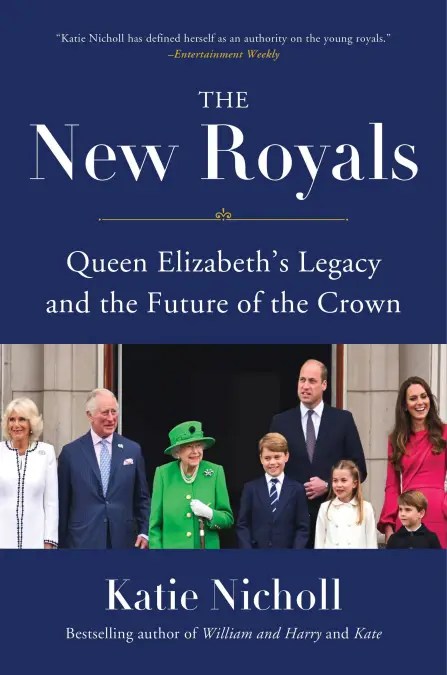
“The worst thing for a monarchy is not hostility, but indifference”, writes Katie Nicholl in her book The New Royals: Queen Elizabeth’s Legacy and the Future of the Crown (Hachette Books). I was reminded of that crucial notion when I took note of a recent poll conducted in Canada, according to which “[…] only 19 percent of Canadians would prefer that the country remain a monarchy, down 12 points since a similar poll conducted in September 2022.

The Crown has visibly not lost its appeal in the UK, but the warning signs in places like Canada, Australia, and New Zealand – just to name these – would be ignored at great peril.

The author, one of the keenest observers of the Crown and a gifted writer who has acquired first-hand knowledge of her subject, exposes the challenges facing the successors of Queen Elizabeth II while brushing the personal traits of the actors who are and will be called upon to meet them.

King Charles III was the longest-serving Prince of Wales, a title created in 1301 after “[…] King Edwards I conquered Wales and gave the title to his son”. With the help of genetics and a life of privilege, his reign might span a few decades, but most consider it transitional.

Continue reading “The Crown as a Geopolitical Player”