The Lethal Power of the Maxim Gun

The best books, their authors and the great people who inspire these stories / Les meilleurs livres, leurs auteurs et les grand.e.s de l'histoire qui les inspirent.


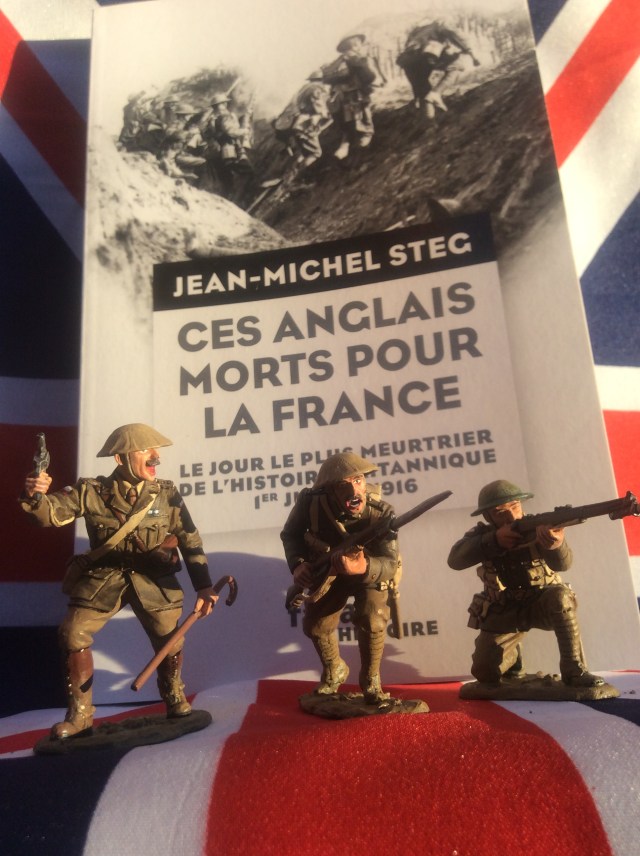
Ce matin, les visiteurs qui auront effectué le trajet pour commémorer le 100e anniversaire de la bataille de la Somme entonneront à 7 heures 30 un « God Save the Queen » bien senti et rempli d’émotion en hommage à ces valeureux combattants dont la bravoure a fait en sorte qu’on se souvient maintenant du 1er juillet 1916 comme ayant été le jour le plus meurtrier de l’histoire britannique, ce moment où nous nous remémorons Ces Anglais morts pour la France pour reprendre le titre de l’excellent ouvrage de Jean-Michel Steg publié chez Fayard.
Retraçant les différentes facettes de cette bataille mémorielle, l’auteur nous rappelle les motivations stratégiques des planificateurs de cette intervention qui avait pour objectif d’enlever de la pression sur les Français à Verdun, mais qui se solda par un échec – notamment en raison du fait que les généraux britanniques avaient sous-estimé leurs adversaires, envoyant dans le no man’s land des « […] troupes britanniques [qui] vont devoir affronter des soldats allemands bien entraînés, au moral élevé, et protégé par des défenses denses et efficaces. » Avant de quitter leurs tranchées, les hommes vêtus de kaki étaient voués à être fauchés.
On peut également marcher au combat ces « […] soldats protestants [de la division de l’Ulster] dont certains se sont élancés en portant leur écharpe de l’ordre d’Orange », ces valeureux Terre-neuviens dont 90% des effectifs sont tombés au combat et dont la majorité ont « […] été frappés à découvert avant même d’avoir atteint leurs tranchées de départ » devant Beaumont-Hamel, ces Français qui, en compagnie des Britanniques combattant à leurs côtés, ont effectué une percée malheureusement inexploitée ou encore ces « […] Gordon’s Highlanders, qui ont finalement conquis la première ligne de tranchées allemande le 13 novembre 1916, dans les derniers jours de la bataille de la Somme. »
Au-delà des aspects techniques et propres à la geste militaire, c’est surtout l’épaisseur humaine du sacrifice de ces braves dont Jean-Michel Steg nous fait éloquemment prendre conscience qu’il faut retenir. On peut les compter sur les doigts d’une main, les ouvrages en français relatant les hauts faits d’armes des soldats de Sa Majesté durant la Première Guerre mondiale. Marchant sur les traces de Sir John Keegan et non moins dépourvu de l’insigne talent de cet illustre précurseur, l’auteur a donc le mérite bien senti d’apporter une contribution inestimable dans l’historiographie militaire.
Ce matin, alors que je m’apprête à déployer mon unifolié et célébrer l’anniversaire de mon pays, le Canada, je ne pourrai m’empêcher de penser à ces Terre-neuviens qui ont consenti ces énormes sacrifices qui allaient les amener à rejoindre la confédération canadienne en 1949. Il en est de même de tous ces hommes – catholiques ou anglicans, Irlandais ou Écossais, professionnels des armes ou membres de la « nouvelle armée » de Kitchener, qui ont lancé un assaut impossible mais combien révélateur de cet esprit de sacrifice qui allait mener les Alliés à la victoire en 1918.
Un très bon moment de lecture, en définitive, que je ne saurais assez chaudement recommander à toute personne intéressée par la chose militaire ou l’étendue parfois inexplicable du courage humain.
Ces Anglais morts pour la France de Jean-Michel Steg, un titre qui figure maintenant parmi les meilleurs titres de ma bibliothèque.
Hier, j’ai eu le plaisir de passer un bon moment dans l’une de mes librairies favorites. Ce sont naturellement les ouvrages consacrés à l’histoire miliaire qui ont retenu mon attention.
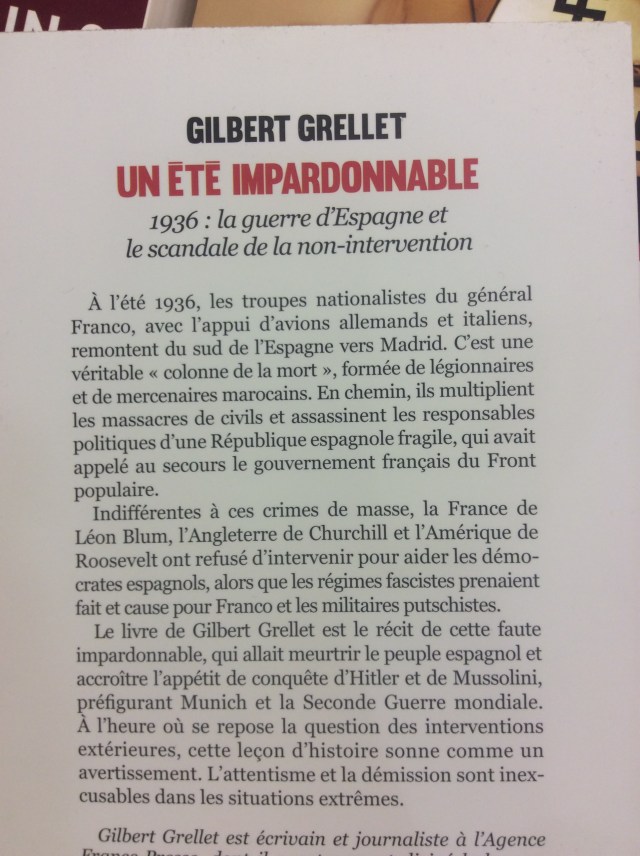
Il en fut ainsi de celui de Gilbert Grellet, Un été impardonnable, au sujet de la Guerre d’Espagne paru chez Albin Michel.
Quel ne fut pas mon étonnement, en parcourant la couverture arrière du livre, de constater une erreur aussi grossière qu’incompréhensible de la part d’une maison d’édition de cette importance.
Permettez-moi de citer l’extrait qui m’a fait sursauter:
« Indifférentes à ces crimes de masse, la France de Léon Blum, l’Angleterre de Churchill et l’Amérique de Roosevelt ont refusé d’intervenir pour aider les démocrates espagnols […]. »
Non mais, sérieusement?
Relisez bien le sous-titre de l’ouvrage : « 1936 : la guerre d’Espagne et le scandale de la non-intervention ».
Comment alors peut-on imputer à Churchill – qui arrivera aux affaires le 10 mai 1940, donc près de quatre ans plus tard – la responsabilité de la non-intervention de la Grande-Bretagne dans le conflit espagnol quatre ans plus tôt?
Churchill, rappelons-le, est en pleine traversée du désert dans les années 1930. On ne saurait donc lui imputer une posture, aussi malheureuse soit-elle, des mandarins et décideurs de Westminster. Chose certaine, il n’était certainement pas l’égal d’un Blum ou d’un Roosevelt, lesquels étaient, doit-on le rappeler, aux affaires. Contrairement à Churchill.
C’est Stanley Baldwin qui présidait le gouvernement de Sa Majesté en 1936.
Inutile de mentionner qu’en constatant une telle erreur, j’ai replacé ce livre bien à sa place sur la table. Si une maison d’édition renommée laisse passer une telle erreur sur une couverture arrière, combien d’autres peuvent être embusquées dans les pages du livre?
Bref et pour tout dire et à moins que l’on puisse justifier cette utilisation du nom de Churchill, la connaissance historique des réviseurs d’Albin Michel est carencée. Et c’est franchement désolant.
Un rapide coup d’œil à la biographie de Sir Winston Churchill aurait pourtant permis d’éviter un écueil important.

Happy Birthday to the Duke of Wellington, Arthur Wellesley, victor of Waterloo. An extraordinary figure whose unparalleled contribution helped saved Europe and the world from Napoleonic hegemony and tyranny. He would be 247 years old!

The recent commemoration of Anzac Day and the battle of Gallipoli brought my attention to a very interesting article published in 2015 in the British Journal of Middle Eastern Studies by David J. Charlwood.
In this fascinating article, the historian establishes a clear link between the withdrawal of the Allied troops from Gallipoli and the British decision to support the Arab revolt.
To sum up the findings of the author, Sharif Hussein of Mecca wrote to British High Commissioner in Egypt Sir Arthur McMahon in July 1915 to propose collaboration. The first response he received was “[…] that it cannot, on account of its incoherence [the Arab movement’s] be of any value to us.”
But the negative progression of events for the British and Allied forces on the Gallipoli peninsula was associated by a desire, from the same McMahon, to ensure that the foreseeable debacle would mean a loss of prestige, notably in the eyes of the Arabs and hence the high potential of their alignment with the Turks.
As the secret evacuation of the British troops began, the same McMahon wrote to Hussein: “As an earnest of our intentions, and in order to aid you in your efforts in our joint cause, I am sending you by your trustworthy messenger a sum of twenty thousand pounds.”
It is just fascinating to realize the direct link between what happened on the beaches of Gallipoli and the sands of the Arabian Desert.

Selon un rapport classifié de l’OTAN obtenu par certains médias, les responsables de l’OTAN saluent la performance des forces aériennes russes dans le cadre des opérations aériennes effectuées contre Daech en Syrie. Efficacité, professionnalisme, supériorité technologique et renseignements exacts permettent aux Russes de très bien tirer leur épingle du jeu. Au point où leurs 40 appareils effectuent 75 missions sur une période de 24 heures. De leur côté, les 180 appareils de l’OTAN ne parviennent qu’à atteindre 20 cibles par jour, ce qui représente de manière bien évidente une fraction du travail accompli par les Russes.
Voilà une donnée bien intéressante à considérer, lorsque l’on aborde la lutte contre Daech et le travail de Moscou à cet égard.
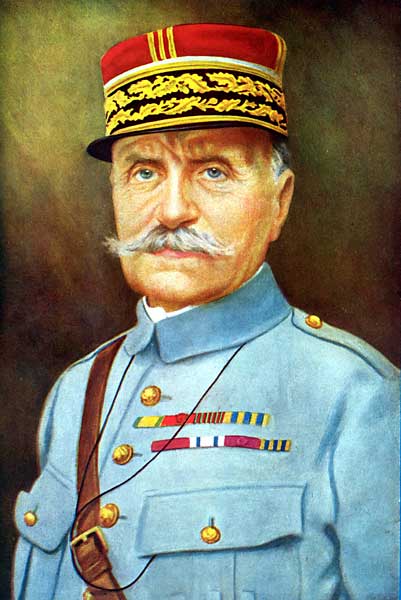
J’ai enfin reçu mon exemplaire de la biographie du Maréchal Juin, publiée chez Tallandier. Après une trop longue absence de la blogosphère, je me promets de vous faire part de mes observations au sujet de cette biographie, qui promet d’ailleurs d’être excellente puisque sous la plume de Jean-Christophe Notin.


In his seminal book about the history of Israel’s armed forces, Tsahal, military historian Pierre Razoux writes:
“Even though its influence tends to diminish, the army still occupies a central role in Israeli society. To better understand its importance, we must reiterate that more than 10% of the Jewish population either serves in the army or regularly serves in the army reserves, which makes Israel the most militarized country in the Middle East. (my translation)” (p. 8).
For that reason, many important military figures also played a dominant role in public life. The names of Moshe Dayan, Yitzhak Rabin, Ehud Barak and Ariel Sharon are the better known in that category and easily come to mind in any discussion on that topic. All in all, few other countries can count on so many military figures in key civil leadership positions.
Which inevitably brings us to politics. Commenting on the results of the recent legislative elections for the Israeli left, Arik Henig perceptively wrote: “Since the 1977 political upheaval, Labor won the elections only twice, when it was headed by two former IDF chiefs of staff: Yitzhak Rabin in 1992 and Ehud Barak in 1999. […] When will [the people of the Labor party] they learn that the Israeli public prefers to be led by chiefs of staff?”
In other words, the Israel left needs a former IDF chief of staff if it wants to expect to return to success on the electoral battlefield.
Many will be tempted to perceive this observation as military fetishism. But it’s not the case. In a post-election analysis, Daniel Kurtzer, an academic who served as US Ambassador to Israel from 2001 to 2005, summarized the three challenges that must be met by the Labor party, if it wants to leave the opposition benches in the near future:
“First, it must persuade Israeli voters, especially those of Russian origin, that it can handle Israel’s security challenges at least as well as, if not better than, the right. (Former military intelligence director Amos Yadlin was recruited by Herzog’s party to be its security face, but his voice was almost inaudible during the campaign.) Second, the left must induce the Sephardim to put past grievances behind and to vote with their pocketbooks. And, third, it must overcome the perception that support for peace with the Palestinians is akin to appeasement and therefore endangers Israel.”
The Prime ministership of Likud leader Benjamin Netanyahu will not last forever and the opposition will inevitably become tired enough with loosing elections that they will decide to introduce a new figure whose presence, values and positions will fill the gap between the expectations of Israelis and the Labor party.
Much like Catholics like to observe various Cardinals to try to find out who might become the next Pope, anybody who’s minimally interested in Israeli politics and its future would be well-advised to keep an eye in the ranks of former IDF chiefs of staff to spot who might trade the image of the olive green military outfit general for the statesman persona.
Tsahal has always been an integral part of Israel’s history. And it will continue to play a determinant role in its future.
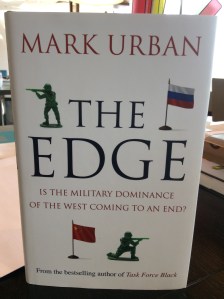
It is too easy, in the Western context, to perceive the armed forces as a ceremonial tool used during commemorations and the military sector as a greedy budgetary expenditure for governments. As Mark Urban writes in his recent and sublime book, The Edge: Is the Military Dominance of the West Coming to an End?, “[…] most of the European public has been conditioned by education and popular culture to be repulsed by war, yet has little experience of it.” (p. 49).
Alas, this far too common perception and phenomenon associated with blind pacifism ignores the deep currents of history. Since time immemorial, armies have been used to conquer, defend, impress or intimidate. I know he’s been quoted already too many times for any reference to him to be original, but Clausewitz said it best when he said that: “war is the continuation of politics by other means”.
Failure to take these factors into consideration will come to a price to those who are guilty of ignorance. The future of the world will not solely be influenced by the tectonic plates of the economy, but also by the capacity of the emerging power to promote and defend it with the bayonet and the fighter jet. China, for instance, has understood that lesson very well.
We can’t say the same about Western countries, the United States chief among them. Outside the high-flown discourse they articulate and promote, Washington’s capacities to implement it in a concrete military way are decreasing. “What seems clearer is that many in Europe, the Middle East and Asia have not yet registered how old much of the United States military equipment has become, how far its numbers have already fallen, and how projected cuts will make it impossible for America to have the kind of military reach it used to.” (p. 79-80). In other words, the Emperor is loosing his clothes.
Enter Russia. One of the main gaps in how the West perceives Vladimir Putin is the fact that the Russian president is a keen student of history. Incidentally, one of the only observers not to fall in the trap of assuming that Putin is a shallow brain is journalist Ben Judah – but that’s another story.
Mark Urban notes that Russia has “[…] the will to use its armed forces to re-draw the map and [is] also reaping the dividends of a long reinvestment in these capabilities.” (p. 86) Vladimir Putin knows that, on the ground, good and modern tanks are better than eloquent United Nations resolutions or huge vocal protests without consequences. As Field Marshal Erwin Rommel reportedly once said: “in a man-to-man fight, the winner is he who has one more round in his magazine.”
For Vladimir Putin, military power is not just a beautiful toy to be displayed on the parade square or during commemorations, but a powerful and meaningful political tool. They’ve been an essential part of history making for ages and the Russian president knows that more than many other statesmen. That’s why he will, most probably, remain in the driver’s seat for many years to come.
All in all, Mark Urban’s book is one of the very best I have had the pleasure of reading since a long time. To be honest, I was sad to finish it. Short, very well researched and thought provoking, it should have a place on the bookshelves of any policymaker or serious student of history.
In the Gregorian calendar, which we Catholics use, May 14th marks the anniversary of the rebirth of Israel. On that day, in 1948, David Ben-Gurion proclaimed the State of Israel at Dizengoff House (now known as Independence Hall) on Rothschild Boulevard in Tel Aviv.
Few years ago, I had the privilege of visiting this historical building. For any friend and supporter of Israel, this is a very humbling and profound experience. Mostly when you understand that, from there, Israel directly went to war against the Arab armies to guarantee its very survival.
Whatever your political inclinations (he was a left-winger and I’m a conservative), you can’t be indifferent to that giant of history. Ben-Gurion certainly was not the only one who contributed to the rebirth of Israel. But he was the man who paved the way to Independence Hall.