“The infantry of our ideology”

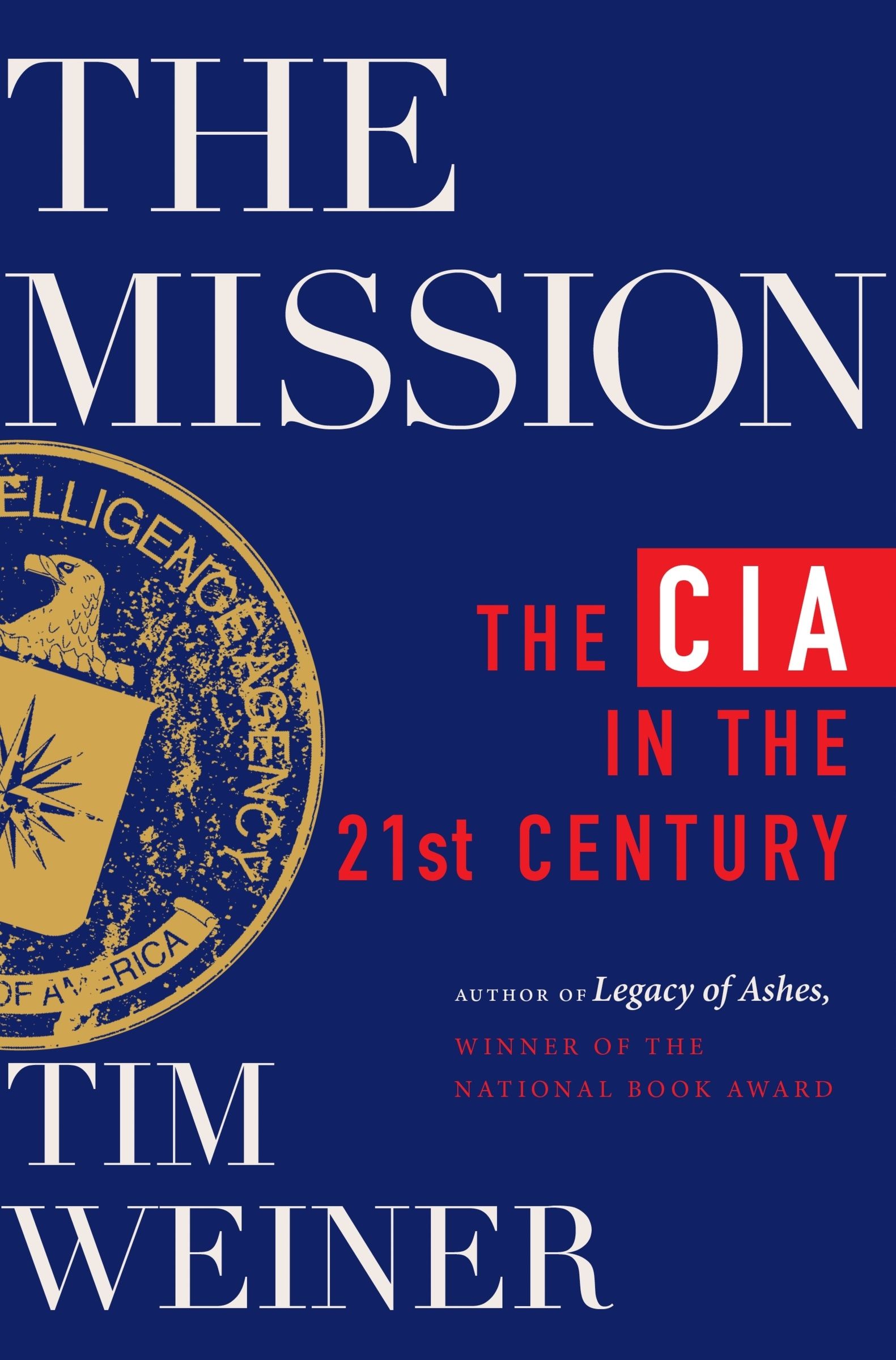
On January 3, the United States conducted an operation in Venezuela that resulted in the capture of its dictator. On the same day, The New York Times detailed that the CIA had been directly involved in—and contributed to—the operation to remove Nicolás Maduro from power. In momentous times, when American foreign policy needs boots on the ground to implement decisions, the men and women who report to Langley are on the front line of action.

The Mission: The CIA in the 21st Century (Mariner Books) by Tim Weiner offers the riveting story of the Company’s actions from the shock of 9/11 to the doorstep of the second Trump administration. Intelligence insights do not guarantee success, but the author makes it clear that moving forward without them comes at a steep price, as when the entourage of George W. Bush pushed for the war in Iraq on flawed information. “He [Director George Tenet] never admitted to Bush, or to himself, how little the CIA really knew.” The rest, as they say, is history. Intelligence misfortunes would go on to cloud the legacy of the 43rd President.

Much the same happened a few years later during the Obama administration, on the occasion of the Arab Spring, for which CIA Director Leon Panetta would later admit that they “missed the boat”, owing to a context in which POTUS “overruled his elders and took heed of his younger aides, who had warned against his being on the side of history.” By heeding the street, Obama played a part as Washington contributed to breaking the back of Hosni Mubarak’s rule. A “sigh of relief” was felt at Langley when General Sisi – an ally – took control of the country two years later.

Continue reading ““The infantry of our ideology””

When Khrushchev Helped JFK

Soviet leader Nikita Khrushchev and US President John F. Kennedy (source: Foreign Policy)

I recently read and reviewed an excellent biography of former Soviet leader Leonid Brejnev by Andreï Kozovoï. Even if I found it to be tragic, I was fascinated to read about Brejnev’s role in the toppling of his predecessor, Nikita Khrushchev, in October 1964. Khrushchev’s persona was light years away from the character portrayed in The Death of Stalin – it is a satire, after all – and his bombastic temper certainly played a role in his downfall.

Khrushchev always fascinated me, whether it is regarding his role during World War II, his succeeding Stalin in 1953 or his role with President John F. Kennedy (of whom we commemorate the assassination today) during the Cuban Missile Crisis in 1962. I recently came upon a very insightful article, “Nikita Khrushchev and the Compromise of Soviet Secret Intelligence Sources” in the International Journal of Intelligence and Counterintelligence by David Easter. In his research, the academic exposes several instances where the First Secretary of the Communist Party of the Soviet Union might have compromised Moscow’s intelligence work and capabilities.

Continue reading “When Khrushchev Helped JFK”

Should We Fear Russia?

USSoldiersAfghanistan_Newsweek
US soldiers in Afghanistan (Source: Newsweek)

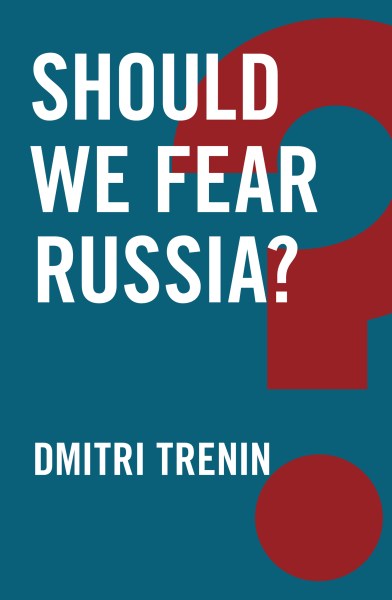
“Russia has no serious reason to fear the West », writes Dmitri Trenin – Director of the Carnegie Moscow Center – in his insightful book Should We Fear Russia? But President Vladimir Putin is not shy to “punch above his weight” and “always testing and pushing one’s boundaries” to ensure that Russia’s place at the table of great powers is respected.

ShouldWeFearRussiaAs I read these words, the New York Times revealed last Sunday that “United States intelligence officers and Special Operations forces in Afghanistan alerted their superiors as early as January to a suspected Russian plot to pay bounties to the Taliban to kill American troops in Afghanistan.

Then, another quote from Dr. Trenin came to mind: “Forcing his way to the high table, and making others deal with him out of necessity if not of choice, has become Vladimir Putin’s diplomatic trademark in his relations with US leaders.”

There is always a murky zone around special ops and covert operations, which always offer “plausible deniability” for operations like what allegedly happened in Afghanistan. Conventional wisdom would suggest that targeting soldiers for assassination does not appear like a good way to make and keep friends. But Moscow might get away with murder, since “for all its military superiority that it has been using elsewhere quite liberally, the United States lacks serious military options vis-à-vis Russia.” In other words, Vladimir Putin can continue pushing his luck with impunity.

Continue reading “Should We Fear Russia?”