The best books, their authors and the great people who inspire these stories / Les meilleurs livres, leurs auteurs et les grand.e.s de l'histoire qui les inspirent.
De par le nouveau positionnement de son pays sur la scène internationale, Xi Jinping fascine ou suscite la crainte. Parfois même peut-être un peu les deux. Il fascine parce que, même s’il est arrivé sur scène dans une démarche feutrée et discrète, sa personnalité politique est nettement moins effacée que ses prédécesseurs Jiang Zemin et Hu Jintao, dont seuls les férus d’affaires internationales se souviennent probablement aujourd’hui. À l’inverse, Xi occupe tout l’espace. Sans complexe, ni gêne.
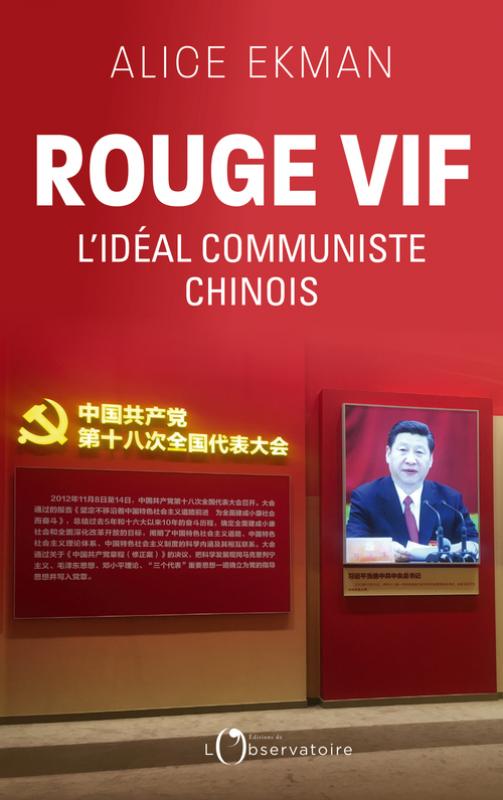
Il y a quelques semaines, lorsque j’ai aperçu la couverture du récent ouvrage de Alice Ekman, Rouge vif : L’idéal communiste chinois, j’ai été intrigué. Parce que tout ce qui concerne Xi Jinping retient mon attention. Après tout, comment être attentif à la géopolitique mondiale sans vouloir mieux connaître le chef de file du Parti communiste chinois?
Entre les couvertures du livre, la réputée spécialiste de la Chine nous révèle les ressorts de l’action de ce Timonier au sourire espiègle et parfois énigmatique. Xi Jinping avait 38 ans lorsque le drapeau de l’URSS a été descendu de la célèbre coupole du Kremlin en décembre 1989. Pour l’apparatchik rouge qu’il était, cela a dû laisser une empreinte indélébile. Et il n’était pas question de marcher sur le même sentier, de répéter les mêmes erreurs.
Parce que, « selon lui, l’effondrement de l’Union soviétique est survenu parce que personne n’a été « assez homme » face à Gorbatchev et que les membres du Parti ont négligé les fondements idéologiques du régime. » Ce jugement cinglant constitue néanmoins le socle du mode opératoire du régime chinois en place actuellement. Premièrement, pas question pour le chef de l’État de vaciller et, deuxièmement, le parti et son message doivent être au cœur de la gestion politique et du tissu social. Avec une idéologie revigorée aux accents fièrement maoïstes (n’évoque-t-il pas une « nouvelle Longue Marche »?). Il n’en faut guère plus pour que « […] le président chinois renforce le monopole du Parti communiste avec vigueur et rapidité […]. » Fait à noter, le Parti communiste chinois regroupe actuellement plus de 90 millions de membres – c’est-à-dire plus de 2 fois la population du Canada – constitue une institution puissante et doté « […] d’une grande capacité d’adaptation et d’ajustement […] » selon l’auteure. Un gage solide pour l’avenir donc.
Si Xi a renforcé son rôle et la centralité du parti à travers les différentes sphères sociales et politiques, l’un des thèmes qui revient fréquemment sous la plume d’Alice Ekman est celui du pragmatisme / réalisme de Pékin, principalement au niveau de son positionnement dans le monde. « Selon lui [Xi Jinping], la victoire du socialisme sur le capitalisme prendra du temps, au moins plusieurs décennies, et la Chine devra s’armer de patience et de discernement. » Nouant des liens accrus avec un cercle d’amis internationaux dont la liste s’allonge, capitalisant sur la « […] convergence des ressentiments anti-occidentaux », ripostant vigoureusement aux attaques assénées par ses détracteurs sur l’échiquier des grands, la Chine active actuellement le plus important réseau diplomatique aux quatre coins du globe – devant les États-Unis. Comme quoi elle sait se donner les moyens de son ambition. Une ambition qui gagne du terrain, à mesure que Washington en perd.
Xi Jinping aurait dû terminer son mandat en 2022, mais la Constitution du pays a été amendée en 2018, lui permettant de prolonger sa présence à la tête du pays et de continuer à promouvoir et articuler son agenda. Malgré les soubresauts comme la COVID-19, l’élection présidentielle américaine et une potentielle réélection de Donald Trump à la Maison-Blanche, Xi Jinping continuera de faire avancer ses pions à mesure que les opportunités se manifesteront à lui. J’ignore s’il joue aux échecs, mais force est de prévoir que, muni d’un appareil étatique dont la fidélité n’a d’égal que la crainte d’être taxé de déloyauté (avec les conséquences que cela implique), le leader chinois continuera de faire montre de pragmatisme, de détermination – que l’on devine bien être de fer – de vision et d’une bonne dose de prévisibilité. Des valeurs qui manquent cruellement à son principal nemesis depuis quelques années.
Si vous nourrissez un intérêt quelconque ou soutenu envers le président chinois et son agenda politique, Rouge vif est une lecture essentielle. Au surplus, Alice Ekman transmet fort agréablement un contenu qui pourrait être autrement ardu s’il était livré par une plume moins inspirée.
J’espère avoir le bonheur de la lire de nouveau prochainement.
______________________
Alice Ekman, Rouge vif : L’idéal communiste chinois, Paris, Éditions de l’Observatoire, 2020, 223 pages.
Je tiens à remercier d’une manière particulière Mme Simone Sauren, directrice des communications des Éditions Flammarion, de m’avoir si aimablement offert un exemplaire de cet excellent livre.
Few years ago, I was captivated by Professor Joseph S. Nye Jr.’s book Soft Power: The Means to Success in World Politics. I recently approached the former Dean of the Harvard’s Kennedy School of Government and former Clinton administration official to submit him a few questions. He generously accepted to respond. Here is the content of our exchange.
You are the father of the term soft power. Just to make sure all my readers understand well, what would be the best short definition of this concept and why is it so important in international relations?
Power is the ability to affect others to get the outcomes you want and it is basic to international relations analysis. You can affect others by coercion, payment, and attraction. Soft power is the ability to get what you want by attraction rather than coercion or payment.
In light of the current crisis about Covid-19, Professor Kerry Brown, one of the world’s most renowned specialist on China who is also a biographer of Xi Jinping and who serves as Director of the Lau China Institute at King’s College London has accepted to respond to a few questions. Here is the content of this written interview.
Professor Brown: many sincere thanks for accepting to receive the following questions for my blog.
One thing we have learned in this current chaotic situation: we all have to become much more attuned and knowledgeable about each other before we end up simply shouting past each other and making things even worse.
In the article, you write that China’s image is damaged in the West. Just today (May 13th), a Canadian poll was released detailing that “More than four-in-five (85%) Canadians say the Chinese government has not been honest about what has happened in its own country.” Since China wants to be considered and respected as a world power, it cannot tolerate that its prestige be tarnished. What will Beijing do to correct that situation? Do you think they might try to mount a PR campaign or any sort of outreach operation to reverse that trend?
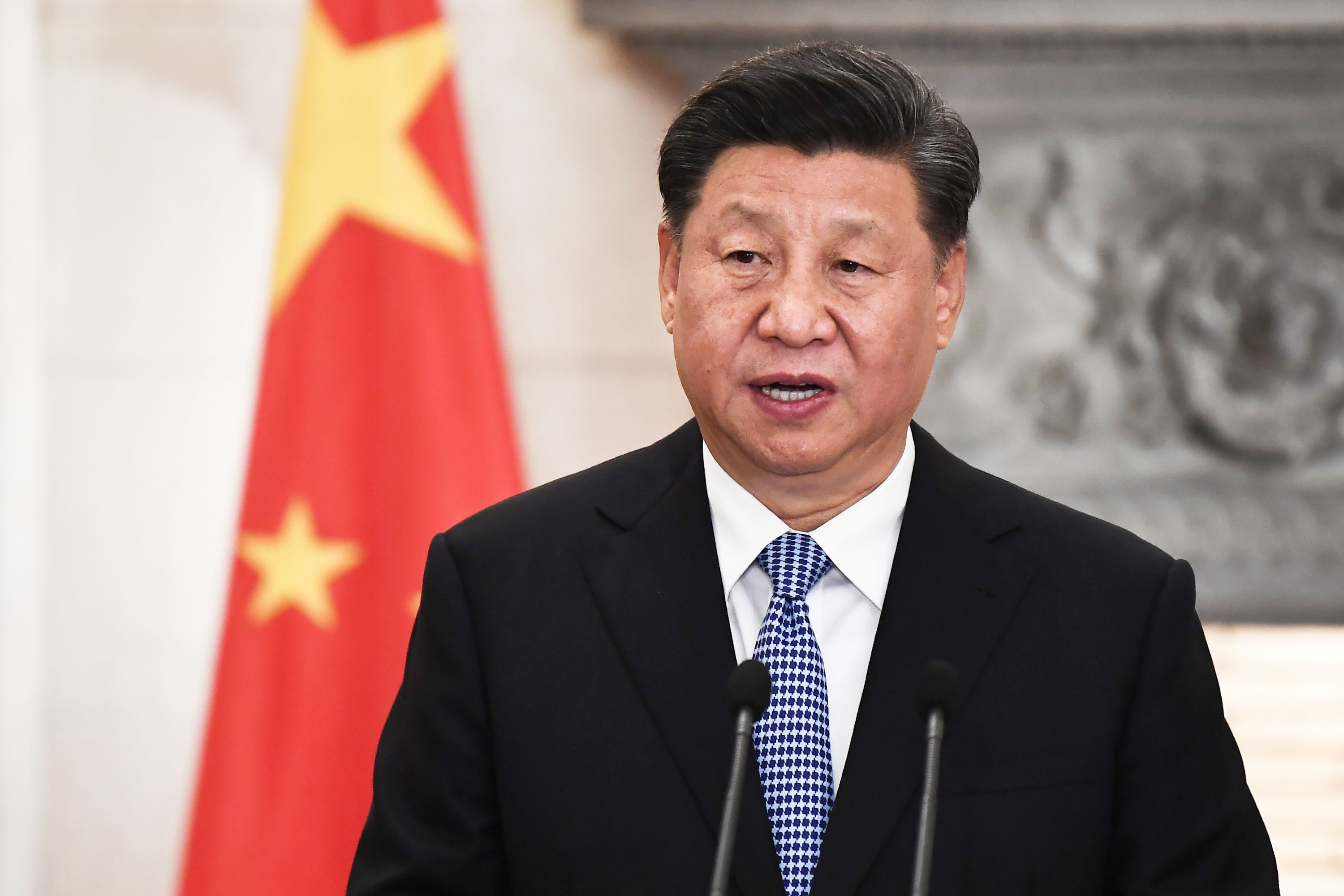
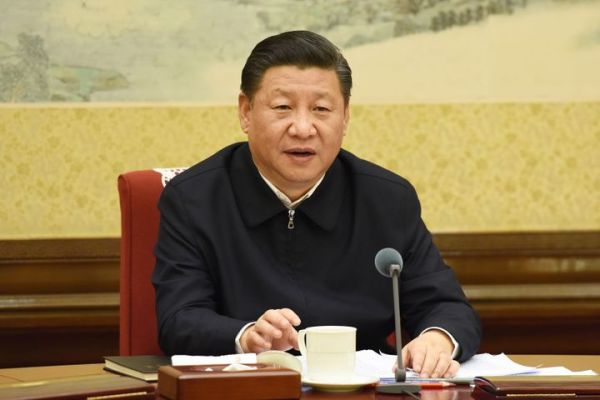
Chinese President Xi Jinping (source: CNBC)
It was always going to be hard for a country with China’s political system, its cultural, social and historical differences with the outside world, and its quite specific world view informed by its own complex, often fragmented history to be able to speak easily to the world at a time when its economy is growing more and more important. COVID19 has just made this challenge even harder. It has deepened some of the issues that were already there, and showed that in the US, Canada, etc, a combination of unfamiliarity towards China along with the speed with which China has come to people’s attention has at the very least proved disorientating. This is exacerbated by the ways in which China itself undertakes messaging – something which is often heavy handed, and ill adapted to the sort of audiences in the West it is aimed at. Everyone has to have a rethink about where things are going. Beijing’s messaging needs to fundamentally change – probably the reason behind the government accepting an investigation at some point of the spread of the pandemic, and the stress at the late May National People’s Congress on the need for co-operation. But as the world moves into addressing the massive economic impact of the virus, rhetoric needs to move to actions, and to seeing what sort of collaboration and co-operation is going to be possible. One thing we have learned in this current chaotic situation: we all have to become much more attuned and knowledgeable about each other before we end up simply shouting past each other and making things even worse.
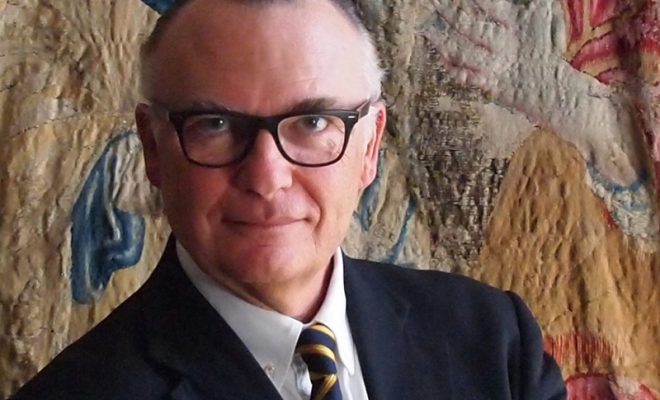
L’historien et journaliste Éric Branca (source: Éditions Perrin)
Suite à la lecture de son excellent De Gaulle et les grands publié chez Perrin, me suis entretenu avec l’historien et journaliste Éric Branca à propos du général et de la crise de la Covid-19. Je vous invite d’ailleurs à lire ma recension de cet excellent livre. Voici donc, sans plus de cérémonies, le contenu de notre échange, pour lequel je lui suis d’ailleurs sincèrement très reconnaissant.
Est-ce que Charles de Gaulle serait bien équipé pour affronter une crise comme celle de la Covid-19 et pourquoi?
Vous savez, il est toujours imprudent de refaire l’histoire avec des « si »! Mais votre question est pleine d’intérêt parce que, dans ce cas précis, on sait très exactement ce que de Gaulle aurait fait… puisqu’il l’a fait! De Gaulle ou plutôt la France redevenue une très grande puissance économique grâce à son action.
Le monde a connu une crise sanitaire très semblable à celle de 2020 : la grippe de Hong Kong de 1968.
On l’a oublié aujourd’hui, mais le monde a connu une crise sanitaire très semblable à celle de 2020 : la grippe de Hong Kong de 1968 qui a tué non pas 130 000 personnes dans le monde, comme le Covid-19 à la mi-avril, mais largement plus d’1 million, à une époque où la planète comptait moins de 4 milliards d’hommes. La moitié moins qu’aujourd’hui… En France, cette même grippe de 1968 a tué 17 000 personnes, sur une population de 50 millions d’habitants (contre 65 millions en 2020). C’est dire si l’alerte a été sévère.
Pour autant, le système de santé n’a pas été débordé, on n’a pas confiné toute une population chez elle, l’économie ne s’est pas arrêtée, bref, personne n’a pensé une seconde qu’une grippe, aussi contagieuse soit-elle, allait provoquer un collapsus économique planétaire semblable à la crise de 1929.
L’ouragan néo-libéral a rendu nos sociétés fragiles et détruit nos réflexes de survie sous prétexte de rationalité comptable.
Pourquoi? Parce que l’ouragan néo-libéral n’avait pas encore rendu nos sociétés si fragiles ni surtout détruit nos réflexes de survie sous prétexte de rationalité comptable. Parce que la santé publique était encore considérée comme un sanctuaire. Bref, parce que nos hôpitaux avaient les moyens de recevoir tout le monde dans de bonnes conditions, y compris les personnes âgées les plus fragiles. Pensez qu’entre 1980 et 2020 la France a perdu 40.000 lits d’hôpitaux! 1000 par an pendant 40 ans. Sous prétexte de « bonne gestion » on a généralisé les soins dits « ambulatoires », au point qu’en 2019, la doctrine officielle du ministère français de la santé, c’était qu’un établissement de santé bien géré était un établissement avec 0 lit disponible. 0 lit disponible comme 0 stock disponible pour une entreprise prétendument « bien gérée » elle aussi!!!
Le flux tendu, en fait, c’est la pensée 0. Le primat de l’immédiateté sur la mémoire, donc sur la projection dans l’avenir. Flux tendu, et rationnement (sauf pour les stock options), voilà pourtant le maître-mot du néolibéralisme dans tous les domaines. Y compris d’ailleurs pour la Défense nationale. Est-ce utile d’épiloguer sur le résultat ? Si un ministre avait expliqué cela à de Gaulle, c’est lui que le Général aurait envoyé en confinement immédiatement… Et définitivement. Pas les Français!
J’ajoute que si la situation n’était pas aussi tragique, on aurait envie de rire en entendant ceux qui ont désarmé la France nous expliquer qu’elle est en « guerre ».
Bref, pour lui comme d’ailleurs pour la plupart des dirigeants de l’époque, soyons juste, l’idée que l’hôpital ne possède pas une force de réserve pour faire face à une épidémie de grande ampleur était aussi stupide que d’envisager une économie dépendante de l’étranger pour ses stocks stratégiques, une armée dont les soldats tiennent à peine dans le stade de France et une police qui renonce à entrer dans certains quartiers… J’ajoute que si la situation n’était pas aussi tragique, on aurait envie de rire en entendant ceux qui ont désarmé la France nous expliquer qu’elle est en « guerre ».
De Gaulle qui, c’est le moins qu’on puisse dire, savait ce qu’était la guerre, n’employait jamais ce mot à tort et à travers. Faire avancer la cause de la paix (en s’opposant à l’hégémonie des super grands) et œuvrer à long terme pour la prospérité et la sécurité des Français dont il avait la responsabilité suffisait à son bonheur. Qui peut dire qu’il n’a pas réussi dans le temps si court qui lui fut imparti et au milieu des crises qu’il eut à affronter?
Quelle fut, selon vous, la pire crise affrontée par le général de Gaulle et comment y a-t-il répondu?
Celle, justement qui l’a fait émerger dans l’histoire : l’effondrement de la France et de ses élites, ou prétendues telles, en moins de six semaines, au printemps 1940. Lisez ou relisez les Mémoires de guerre, tout est dit en peu de mots sur ce traumatisme originel quand, le 16 mai 1940, alors que lui-même monte au front, il croise des soldats qui refluent en troupeau et auxquels les Allemands ont seulement confisqué leurs armes en leur criant : « Nous n’avons pas le temps de vous faire prisonniers! ». Il écrit : « Alors, au spectacle de ce peuple éperdu et de cette déroute, au récit de cette insolence méprisante de l’adversaire, je me sens soulevé d’une fureur sans bornes. Ah! c’est trop bête! La guerre commence infiniment mal. Il faut donc qu’elle continue. Il y a, pour cela, de l’espace dans le monde. Si je vis, je me battrai, où il faudra, tant qu’il faudra, jusqu’à ce que l’ennemi soit défait et lavée la tache nationale. Ce que j’ai pu faire, par la suite, c’est ce jour-là que je l’ai résolu. »
Ce n’est pas le Covid-19 qui a dévoré les stocks de masques dont nos hôpitaux disposaient pour protéger nos soignants.
Serait-il exagéré de comparer la crise actuelle au péril nazi qui a déferlé sur la majeure partie de l’Europe pendant la Seconde Guerre mondiale ?
Non seulement exagéré mais injurieux pour la mémoire des 50 millions de morts de ce conflit. Comparer un virus à un ennemi est un biais utilisé par les dirigeants incapables pour dissimuler leur propre impéritie. Les virus et les microbes ont toujours fait partie de la vie : ils ne sont ni mauvais ni bons, ils existent.
Ce n’est pas le Covid-19 qui a dévoré les stocks de masques dont nos hôpitaux disposaient pour protéger nos soignants ; ce n’est pas le Covid-19 qui a englouti le gel hydro-alcoolique que nous n’avions pas; ce n’est pas le Covid-19 qui a empêché le gouvernement d’acheter, en temps voulu, les tests qui auraient permis de détecter sur une grande échelle et de soigner à temps ceux qui en sont atteints, au lieu de mettre une population entière « aux arrêts de rigueur» ; ce n’est pas le Covid-19 qui a rendu notre pays dépendant des molécules que nos laboratoires (quand ils existent encore) ne produisent plus et que fabriquent à leur place les Chinois! Ce n’est pas le Covid-19 qui a convaincu nos dirigeants de fermer les dizaines et dizaines de petits hôpitaux qui pourraient aujourd’hui servir à accueillir dans de bonnes conditions les personnes âgées ou les patients non justiciables des urgences, afin que nos structures les mieux équipées se consacrent à l’essentiel!
En un mot comme en cent, ce n’est pas le Covid-19, mais le virus néo-libéral qui empêche nos dirigeants de penser… Enfin pas tous, puisqu’en Allemagne, en Suisse et en Corée du Sud, où, que je sache, l’économie de marché n’est pas sacrifiée – bien au contraire! – on dispose d’assez de tests pour déterminer qui doit être « confiné » et qui peut aller travailler avec, bien sûr, les précautions qui s’imposent! Et où, surtout, on a gardé assez de lits disponibles (9 pour 1000 habitants en Allemagne, contre 6 pour la France) pour ne pas avoir à choisir qui a le droit d’être soigné et qui ne l’a pas…
Puisque nous sommes dans la période de Pâques, êtes-vous d’avis que la foi religieuse y était pour quelque chose dans sa légendaire détermination?
La foi de De Gaulle est quelque chose d’inséparable de sa conception de la France. Vous connaissez la devise des Français libres, rédigée de la main même du Général, le 10 août 1940 : « Je suis un Français libre, je crois en Dieu et en l’avenir de ma Patrie ». En même temps, de Gaulle n’était pas un « dévot ». Il détestait l’ostentation, d’où ses rapports souvent tendus, sous la IV° République, avec les démocrate-chrétiens du MRP qu’il comparait à « des enfants de cœur qui auraient bu les burettes ». N’ayant que le mot « religion » à la bouche, mais aussi à l’aise dans les « délices et les poisons du régime » que des poissons dans l’eau (bénite)… Des Tartuffe, en quelque sorte.
En vérité, de Gaulle détestait parler de sa foi. Malraux, qui avait souvent tenté d’amener le Général sur le terrain métaphysique – sans toujours y parvenir car, disait-il, son interlocuteur ébauchait alors « un geste qui semblait chasser les mouches », a bien résumé les choses dans Les chênes qu’on abat : « Je crois sa foi si profonde quelle néglige tout domaine qui la mettrait en question. C’est pourquoi mon agnosticisme ne le gêne pas. […] Sa foi n’est pas une question, c’est une donnée, comme la France. Mais s’il aime parler de sa France, il n’aime pas parler de sa foi. »
En fait, il n’en a parlé qu’en une seule occasion en public, et c’était d’ailleurs, devant des religieux, réunis, le 31 mai 1967 à la villa Bonaparte. Bien que mentionné à l’époque, et publié depuis dans l’édition complète de ses discours et messages, ce texte n’est pratiquement jamais cité. En voici la fin : « L’avenir, la France qui est aussi la fille aînée de l’Église, le voit avec sérénité, avec fermeté, avec confiance. L’Église est éternelle et la France ne mourra pas. L’essentiel, pour elle, est qu’elle reste fidèle à ce qu’elle est et, par conséquent, fidèle à tous les liens qui l’attachent à notre Église. C’est le cas! Et c’est pourquoi, quels que soient les dangers, les crises, les drames, que nous avons à traverser, par-dessus-tout et toujours, nous savons où nous allons. Nous allons, même quand nous mourrons, vers la Vie ». C’est autre chose que le prêchi-prêcha actuel, non?
Toutes les fautes, tous les retards, toutes les souffrances n’empêchent pas qu’il y a dans l’univers tous les moyens nécessaires pour écraser un jour nos ennemis. – Charles de Gaulle
Quel était son principal atout, sa principale qualité, pour surmonter tous les écueils qui se sont présentés à lui?
La mémoire qui permet de disposer d’assez de ressources pour comprendre le présent et, partant, pour maîtriser l’avenir… Donc pour garder l’espoir, ce mot-clé du vocabulaire gaullien! Tout est dans l’appel du 18 juin, auquel il faut toujours revenir : « Croyez-moi, moi qui vous parle en connaissance de cause et vous dis que rien n’est perdu pour la France. Les mêmes moyens qui nous ont vaincus peuvent faire venir un jour la victoire. […] Cette guerre n’est pas limitée au territoire malheureux de notre pays. Cette guerre n’est pas tranchée par la bataille de France. Cette guerre est une guerre mondiale. Toutes les fautes, tous les retards, toutes les souffrances n’empêchent pas qu’il y a dans l’univers tous les moyens nécessaires pour écraser un jour nos ennemis. Foudroyés aujourd’hui par la force mécanique, nous pourrons vaincre dans l’avenir par une force mécanique supérieure. Le destin du monde est là ».
Couper les crédits à l’OMS, et après? Déclarer la guerre à la Chine, puisque le virus en vient?
Puisque je suis impatient de débuter la lecture de L’ami américain, je présume que la politique américaine figure parmi les sujets qui retiennent votre attention. Quelle est votre opinion sur la manière dont la crise de la Covid-19 est gérée par l’administration Trump?
N’étant pas citoyen américain, je me garderai bien de porter un jugement ex cathedra. La seule chose que je peux constater, comme tout le monde, c’est que les États-Unis, qui ont été frappés avant la France par le virus néo-libéral, semblent encore plus désarmés qu’elle pour résister convenablement au covid-19… Quant au président Trump, comment s’étonner que sa politique (ou plutôt son absence de politique) soit à l’avenant de sa pensée, ou de ce qui en tient lieu, à savoir le portefeuille? Couper les crédits à l’OMS, et après? Déclarer la guerre à la Chine, puisque le virus en vient?
Finalement, et j’espère que vous pardonnerez ma curiosité, mais après avoir lu la dernière ligne de votre plus récent livre De Gaulle et les grands, je me demandais sur quoi portera votre prochain (je prends pour acquis qu’un auteur de votre trempe ne demeure pas inactif longtemps)?
Tout ce que je peux dire c’est qu’il sera largement question de la politique américaine au lendemain de la Seconde guerre mondiale…
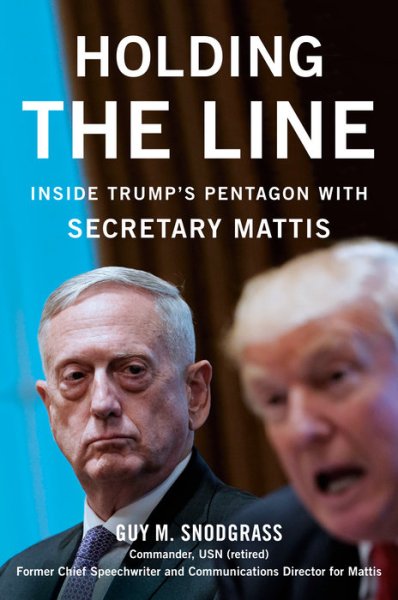
Le livre de Guy Snodgrass, Holding the Line: Inside Trump’s Pentagon with Secretary Mattisest l’un des livres les plus intéressants et perspicaces à propos de la relation entre le président Trump et les militaires. À la lumière du congédiement récent du Capt. Brett Crozier en relation avec la crise de la Covid-19, cet auteur très bien informé a accepté de répondre à mes questions. Voici le contenu de nos échanges :
Capitaine de frégate Snodgrass: à la lumière du limogeage du capitaine Crozier de son commandement, je suis très heureux d’avoir l’occasion de vous poser quelques questions, puisque peu de gens sont plus qualifiés que vous pour commenter la situation.
Connaissez-vous personnellement le capitaine de frégate Brett Crozier?
Oui. Nous avons servi ensemble à bord de l’USS Ronald Reagan, un porte-avions à propulsion nucléaire basé à Yokosuka, au Japon. Il était commandant en second du navire (n° 2 à bord) et j’étais commandant de l’escadron de chasse.
Pensez-vous que le capitaine Crozier a fait ce qu’il fallait lorsqu’il a sonné l’alarme concernant la présence du virus à bord du navire?
Oui, sans aucun doute, il a fait ce qu’il fallait, en sensibilisant les autorités relativement à l’infection de la Covid-19 à bord de son navire de guerre. Un débat animé se poursuivra, à savoir si la manière dont il a sensibilisé le public, via un courriel envoyé à plusieurs destinataires au sein de la Marine, était la bonne ligne de conduite.
Cette situation évolue rapidement, alors que le secrétaire par intérim de la Marine, Thomas Modley, vient de prononcer un discours mal avisé et mal reçu à bord du navire de guerre concernant sa décision de congédier le capitaine Crozier.
Le secrétaire à la défense ou le président des États-Unis auraient-ils pu revenir sur cette décision s’ils avaient été en désaccord?
Pourraient-ils? Certainement. Modley était un responsable politique et ils sont supérieurs à lui [le secrétaire par intérim de la Marine] dans la «chaîne de commandement» politique.
Le secrétaire de la défense Mattis aurait-il agi de la même manière (limogeage du capitaine Crozier)?
Difficile à dire. Mattis est très imprévisible. Tout dépend de la façon dont l’information lui aurait été présentée. Comme Esper, Mattis aurait probablement ordonné que le capitaine Crozier soit relevé de ses fonctions, mais il aurait géré la situation de manière plus avisée.
Quel message ce congédiement envoie-t-il aux autres commandants de la Marine qui pourraient être confrontés à la même situation?
Faites attention à la façon dont vous communiquez avec les quartiers généraux supérieurs. Quoi que vous fassiez, vous aurez tort. À la fin de la journée, la US Navy a toujours besoin de professionnels prêts à prendre des décisions difficiles, quelles que soient les conséquences personnelles. Le capitaine Crozier a peut-être agi de manière inappropriée dans la manière de transmettre le courriel et le message à partir de sa boîte d’envoi, mais la gestion de la réponse par le Secrétaire de la Marine a été 10 fois pire que la faute originelle.
Que peut-on retenir des actions du capitaine Crozier au sujet du leadership en période de crise?
Faites ce qu’il faut, même dans l’anonymat. Placez toujours votre devoir devant vos intérêts personnels. Et que nos actions parlent plus fort que les paroles ne le pourront jamais.
À mon humble avis, il y a un parallèle intéressant entre les gestes posés par le capitaine Crozier et les paroles de Theodore Roosevelt, qui affirmait qu’il : « […] saura que sa place n’a jamais été parmi les âmes froides et timorées qui ne connaissent ni la victoire ni l’échec. » Êtes-vous d’accord?
J’adore cette citation. Je ne peux pas dire si elle convient ou non, et ce, tant que la Marine n’aura pas terminé l’enquête sur les circonstances entourant la note de service et sa publication.
Qui est votre leader / personnage historique favori pour des moments comme ceux-ci? Et pourquoi?
Le colonel de la US Air Force qui a posé la question philosophique à la génération montante des hauts dirigeants: préférez-vous être quelqu’un ou faire quelque chose? C’est difficile de faire les deux.
Accepteriez-vous de partager avec nos lecteurs votre opinion sur la manière dont le président et l’administration gèrent la situation?
Oui, j’aimerais bien. Je vous renvoie également à un épisode de mon podcast récent au sujet du congédiement du capitaine Crozier: https://anchor.fm/htlpodcast
Êtes-vous étonné par la démission du secrétaire par intérim de la Marine? Était-ce prévisible?
Pas étonné. Il était prévisible que les gestes posés par le Secrétaire par intérim de la Marine a résulté en une perte de confiance auprès de la population américaine, sans parler des hommes et des femmes qu’il représente au sein de la US Navy.
Merci beaucoup pour la générosité de votre temps et je souhaite que vous et votre famille soyez à l’abri de cette pandémie.
Merci, Marc, je te souhaite la même chose ainsi qu’à tes proches.
____
Guy Snodgrass’s book Holding the Line: Inside Trump’s Pentagon with Secretary Mattisis one of the most interesting and insightful books I’ve read about the relationship between President Trump and the military. In light of what happened in the last couple of days with the firing of Capt. Brett Cozier in the context of the Covid-19 pandemic, this very well-informed author has accepted to respond my questions. Here is the content of our exchange:
Commander Snodgrass: in light of Capt. Crozier’s firing from his command post, I’m very happy to have the opportunity to ask you a few questions because few people are more qualified than you to comment it.
Do you know Capt. Brett Crozier personally?
Yes, I do. We served together onboard USS Ronald Reagan, a nuclear-powered aircraft carrier homeported in Yokosuka, Japan. He was the ship’s executive officer (#2 onboard) and I was a fighter squadron commanding officer.
Do you think Capt. Crozier did the right thing when he sounded the alarm about the presence of the virus on his ship?
Yes, undoubtedly, he did the right thing by raising awareness of the Covid-19 infection sweeping through his warship. What will continue to be hotly contested is whether or not the manner in which he raised awareness, via an email sent to multiple Navy recipients, was the right course of action.
This situation is moving swiftly, as Acting Secretary of the Navy Thomas Modley just gave an ill-advised and poorly received speech onboard the warship regarding his decision to fire Captain Crozier.
Could the Secretary of Defense or the President of the United States have reversed this decision if they had been in disagreement?
Could they? Sure. Modley was a political appointee and they are senior to him in the political “chain of command.”
Would DefSec Mattis have acted the same way (firing Capt. Crozier)?
Hard to tell. Mattis is very mercurial. All depends on how information was presented to him. Like Esper, Mattis would likely have ordered Crozier’s firing but he would have handled it in a more savvy manner.
What message does this firing send to other Navy commanders who might be confronted to the same situation?
Be careful how you communicate with higher headquarters. Damned if you do… damned if you don’t. At the end of the day, the U.S. Navy still needs professionals willing to make hard calls regardless of their personal consequences. Captain Crozier may have acted inappropriately in the manner by which the email and message made its way out of his outbox, but the Navy Secretary has handled his response 10x worse than the original sin.
What does Capt. Crozier’s actions teach us about leadership in times of crisis?
Do the right thing, even when no one is watching. Always put service before self. And that our actions speak louder than words ever can.
In my humble opinion, there is an interesting parallel between Capt. Crozier’s actions and the words of Theodore Roosevelt when he said “[…] so that his place shall never be with those cold and timid souls who neither know victory nor defeat.” Would you tend to agree?
I love that quote. Can’t comment on whether or not the quote fits until the Navy completes the investigation of the circumstances around the memo and its release.
Who’s your favorite leader / historical figure for times like these? And why?
U.S. Air Force Colonel who asked the philosophical question of rising senior leaders: Would you rather be someone or do something? It’s hard to do both.
Would you agree to share with our readers your opinion about how the President and the administration are managing the situation?
Yes, I would. I also refer you to my recently released podcast for an episode discussing Captain Crozier’s firing: https://anchor.fm/htlpodcast
Are you surprised by the resignation of the Acting Secretary of Navy? Was that predictable?
Not surprised. Seems predictable in that the Acting Secretary’s actions resulted in a loss of trust and confidence with the American public, not to mention the men and women he represents within the U.S. Navy.
Many sincere thanks for the generosity of your time and I wish you and your family will be safe from this pandemic.
Ehud Olmert, 12th Prime Minister of Israel (courtesy of the Office of Ehud Olmert)
After reading the excellent book Shadow Strike: Inside Israel’s Secret Mission to Eliminate Syrian Nuclear Power (St. Martin’s) by Yaakov Kaatz, I was struck about the inestimable contribution of former Prime Minister Ehud Olmert to public life and international affairs. I therefore thought it might be an excellent idea to conduct an interview with this fascinating character. Mr. Olmert immediately agreed and you will discover a man who’s an avid reader nourishing a serious interest in US political history. Here’s the content of our exchange.
It is my opinion that you have been underestimated as Prime Minister. What accomplishment(s) are you the proudest of and why?
It seems to me that lately, the attitude to me as a former Prime Minister is different than it appeared to be when I left my position. Perhaps, in large part, because time has passed, and people can compare my activities as Prime Minister with the one who came after me. Many may think that my activity has been by far better than the impression they once had.
Many may think that my activity has been by far better than the impression they once had.
The actions I am most proud of in the field of welfare. The fact that I brought about the rehabilitation of hundreds of thousands of Holocaust survivors who for various reasons over many years the Israeli government ignored its duty to look after their needs. The Israeli government during my time invested billions of shekels for this important cause.
In the field of education, I was involved, as Prime Minister, in reforming Israel’s education system, along with the then Minister of Education, Professor Yuli Tamir. We instituted a far-reaching reform called “New Horizon” which entailed adding billions of shekels to the Education Ministry’s budget.
In the security field, I am proud of the achievements of the Second Lebanon War, which have resulted in a complete calm for over the past 13 years on the northern border. Kiryat Shmona has lived for decades under a constant threat of terrorist attacks and artillery fire no more. I am proud of my decision to destroy of the nuclear reactor in Syria, which posed a real danger to the State of Israel. I am also proud of the peace negotiations that I made with the Palestinian Authority and that were closer than any negotiations we have ever had to a permanent peace settlement between Israel and the Palestinian people.
I am also proud of the peace negotiations that I made with the Palestinian Authority and that were closer than any negotiations we have ever had to a permanent peace settlement between Israel and the Palestinian people.
Who’s the historical figure / leader that inspires you the most?
Many characters have influenced my worldview and have been an inspiration, it is hard to think about one person.
Churchill – Who didn’t grow up to admire him?!
Roosevelt – the man who rescued the US from economic immersion and brought America to save the entire world from the Nazis in Europe and Japanese fascists in the Far East.
The man I remember in international politics with great longing is Bobby Kennedy. Bobby Kennedy was a man with a huge heart, with a great sensitivity to the distressed populations who demanded someone to care about them. African Americans, Hispanics, Mexicans, Native Americans and many others, there was no one to care for them like him. I remember how much it hurt when he was murdered.
Bobby Kennedy was a man with a huge heart, with a great sensitivity to the distressed populations who demanded someone to care about them.
In Israel, two characters have always been my inspiration. Menachem Begin, who was the first Prime Minister of the National Camp and whom I was privileged to work with and for him as a Knesset member in the Likud. And Moshe Dayan who was a brave soldier and statesman who saw far more with one eye than many saw with two eyes. He was a poet and writer and archaeologist and a brilliant military leader. A man who did not like people’s company but accorded me many hours of private conversations at the beginning of my career whose tastes have not disappeared to this day.
You have been through very difficult periods in your life (Mr. Olmert spent 16 months in prison in 2016-2017 in relation with a real-estate project). I could only imagine how hard it must have been on you and the members of your family. What gave you strength to surmount it?
What helped me deal with the difficulties I encountered was on top of the love of my family – my wife, my children and my grandchildren, also the knowledge that I had never done anything that justified my indictment. The sense of justice gives a lot of power.
What helped me deal with the difficulties I encountered was on top of the love of my family.
I know your wife is a very talented artist. I once saw one of her paintings at the office of what was then called the Canada-Israel Committee (now CIJA) in Jerusalem. It goes without saying that intellectual life must be important in your family. Are you an avid reader and what do you like to read?
My wife is a very talented painter and I am very happy that her paintings are in both the office and the home we share and are exhibited in many places in Israel and abroad.
I read many books, my tastes are very eclectic. I read fiction, thrillers, biographies of political people. I read all of Robert Caro’s books in the past year about former President Lyndon B. Johnson. I read the biography of General MacArthur by William Manchester. I have read John Steinbeck’s books – East of Eden and Grapes of Wrath and I now read William Faulkner’s The sound and the Fury and many other books.
I read all of Robert Caro’s books in the past year about former President Lyndon B. Johnson.
Are you a fan of James Bond and books about special / secret operations? (that question came from reading the following in Shadow Strike: “During his term as prime minister, Olmert made a point of knowing every detail and approving every single Mossad operation that took place outside Israel’s borders.” (p. 46) Okay, okay, I should have known that Israeli Security Services undeniably can match any James Bond movie.)
I’m not a big fan of James Bond movies, I know a lot more fascinating realities than these movies but as an entertainment I sometimes watch them.
What do you appreciate the most about your new life?
I enjoy my life with my extended and beautiful family. I enjoy my business activities and especially the world of innovation and technology in which I invest money from a venture capital fund I run.
Do you miss political life?
I never liked political activity. I liked being in positions where I could make decisions on national affairs and I miss that. If I could, I would continue my work to bring peace between Israel and the Palestinians. I believe that the Trump Peace Plan is not good enough and lacks many elements to be balanced, but even though, it has the basis that can prompt renewed negotiations between Israel and the Palestinian Authority, which is what I recommended to Abu Mazen to do.
The Trump Peace Plan is not good enough and lacks many elements to be balanced, but even though, it has the basis that can prompt renewed negotiations between Israel and the Palestinian Authority.
What do you think of the fact that Israelis have to return to the polls for the third time in about 6 months?
I think it is a pity that there will be a third round of elections in less than a year in Israel, but I believe that following the upcoming elections, the government will change and the political atmosphere in Israel will change as well as the nature of public discourse can be changed and the atmosphere will be more tolerant and more relaxed in Israeli politics.
I believe […] the government will change and the political atmosphere in Israel will change as well as the nature of public discourse can be changed and the atmosphere will be more tolerant and more relaxed in Israeli politics.
How do you feel generally about your country?
The State of Israel is a very successful state, there is none like it and will never be, and I am proud to be its citizen and its former Prime Minister.
________
I would like to express my sincere gratitude to former Prime Minister Olmert for the generosity of his time. I surely hope his memoirs, which have already been published in Hebrew, will be available in English at some point in the future.
America’s current foreign policy, “We’re America, bitch”, undoubtedly has something to do with it.
In his fascinating new book, The New Silk Roads, bestselling Oxford historian Peter Frankopan explores and details how China is taking advantage of the fact that the United States have become a vector of permanent destabilization – notably under the leadership of a president who has no qualms to toss away old friends – in order to make “friends in strategically important locations”, in the context of a very well-articulated good neighbor policy.
The new Silk Roads along which Beijing seeks to play an always greater role not only spans a determinant geographical area between China and the Eastern Mediterranean, but also encompasses 63% of the world’s population. Peter Frankopan nevertheless goes on to observe that “[…] it is striking then to see how few friends the US and the West have along the Silk Roads.”
Of course, one should not be naïve to the point of thinking that the descendants of the Middle Kingdom have no interest in articulating their friendly and constructive geopolitical posture. Domestic, economic and security needs are at the core of the rising power’s motivations.But that’s to be expected, for international relations are mainly about interests, not idealism. One cannot expect Xi Jinping to throw billions in Djibouti or Sri Lanka without expecting something in return.
The author opines that “All roads used to lead to Rome. Today, they lead to Beijing”. We should therefore be prepared or, at least, prepare ourselves to deal with the power shift that is slowly but surely developing under our eyes. Alas, in the words of Henry Kissinger, “[…] we don’t understand their history and culture.” I have said it often and I will keep on repeating it, more interest, much more interest, should be devoted to understanding what comes out the halls of power in Beijing and to those who are making the decisions.
Xi Jinping might not be a frequent user of Twitter or a master of the vitriolic formula, but he’s becoming a master at winning the hearts and mind of those he wants to be his allies. In that regard and since he’s at the helm of the decisions perpetrating the shift of gravity from the West to the East, he might be the most consequential current world leader.
_______
Peter Frankopan, The New Silk Roads: The Present and Future of the World, New York, Knopf, 2019, 320 pages.



 On l’a oublié aujourd’hui, mais le monde a connu une crise sanitaire très semblable à celle de 2020 : la grippe de Hong Kong de 1968 qui a tué non pas 130 000 personnes dans le monde, comme le Covid-19 à la mi-avril, mais largement plus d’1 million, à une époque où la planète comptait moins de 4 milliards d’hommes. La moitié moins qu’aujourd’hui… En France, cette même grippe de 1968 a tué 17 000 personnes, sur une population de 50 millions d’habitants (contre 65 millions en 2020). C’est dire si l’alerte a été sévère.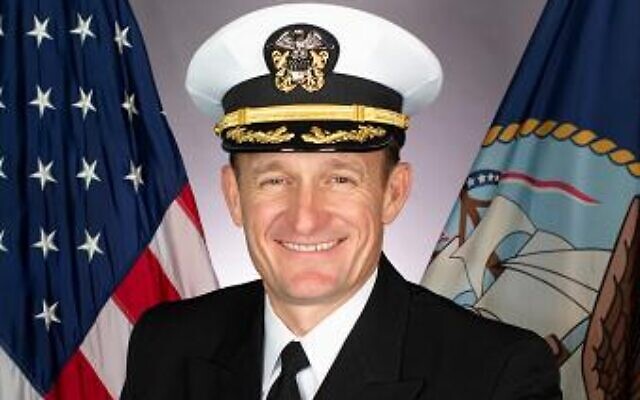

 According to some news reports,
  The new Silk Roads along which Beijing seeks to play an always greater role not only spans a determinant geographical area between China and the Eastern Mediterranean, but also encompasses 63% of the world’s population. Peter Frankopan nevertheless goes on to observe that “[…] it is striking then to see how few friends the US and the West have along the Silk Roads.”
 BookMarc