The best books, their authors and the great people who inspire these stories / Les meilleurs livres, leurs auteurs et les grand.e.s de l'histoire qui les inspirent.
Je suis plongé depuis quelques jours dans la biographie de Turenne, ce grand capitaine qui figurait parmi les figures héroïques qui ont inspiré Napoléon, par Arnaud Blin. L’auteur y expose que la formation de son sujet a coïncidé « avec l’apogée du « siècle de fer », période allant du milieu du XVIe siècle à la seconde moitié du XVIIe siècle », une époque faste dans l’histoire de la polémologie. Observant, dans une lecture collée sur l’actualité, le glissement du monde vers ce qu’il qualifie de « logiques impériales », Dominique de Villepin écrit, dans son dernier ouvrage Le Pouvoir de dire non, que « nous sommes entrés dans un nouvel âge de fer ». Quatre siècles séparent la vie de Turenne du parcours de l’ancien premier ministre français, mais la compréhension de la géopolitique qui tient les rênes de la gouvernance du monde n’a rien perdu de son importance — de sa nécessité.
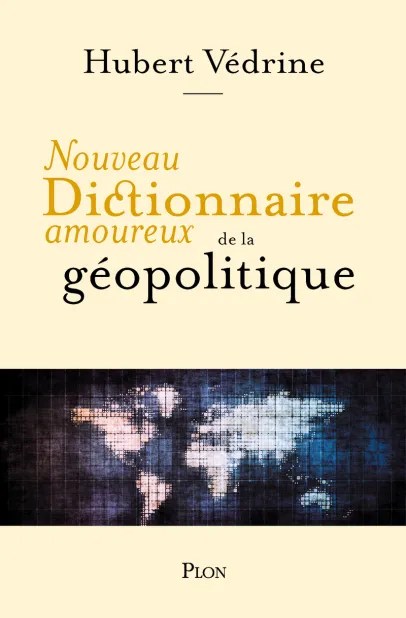
Les rayons des librairies sont bien garnis de toutes ces couvertures qui affichent le mot géopolitique. Dans le contexte actuel, c’est à la fois pertinent et vendeur. Étant moi-même féru du sujet, j’y succombe volontiers. L’un des meilleurs titres qu’il m’a été donné de dévorer récemment est le Nouveau dictionnaire amoureux de la géopolitique(Plon), d’Hubert Védrine, qui fut aux premières loges de la vie internationale auprès du président François Mitterrand — en tant que proche conseiller — puis de Jacques Chirac, comme ministre des Affaires étrangères durant la cohabitation avec Lionel Jospin.
Dans une tribune publiée ces derniers jours, le politologue américain Seth G. Jones soulignait que la trajectoire des relations entre la Russie et la Chine apparaît avec une clarté renouvelée, marquée par un rapprochement soutenu dans les domaines politique, militaire et économique. Cette complicité entre Xi Jinping et Vladimir Poutine contribue à redessiner, sous nos yeux, les contours d’un nouvel équilibre géopolitique. Par sa nature, sa portée et le contexte dans lequel elle s’inscrit, cette dynamique mérite toute notre attention.
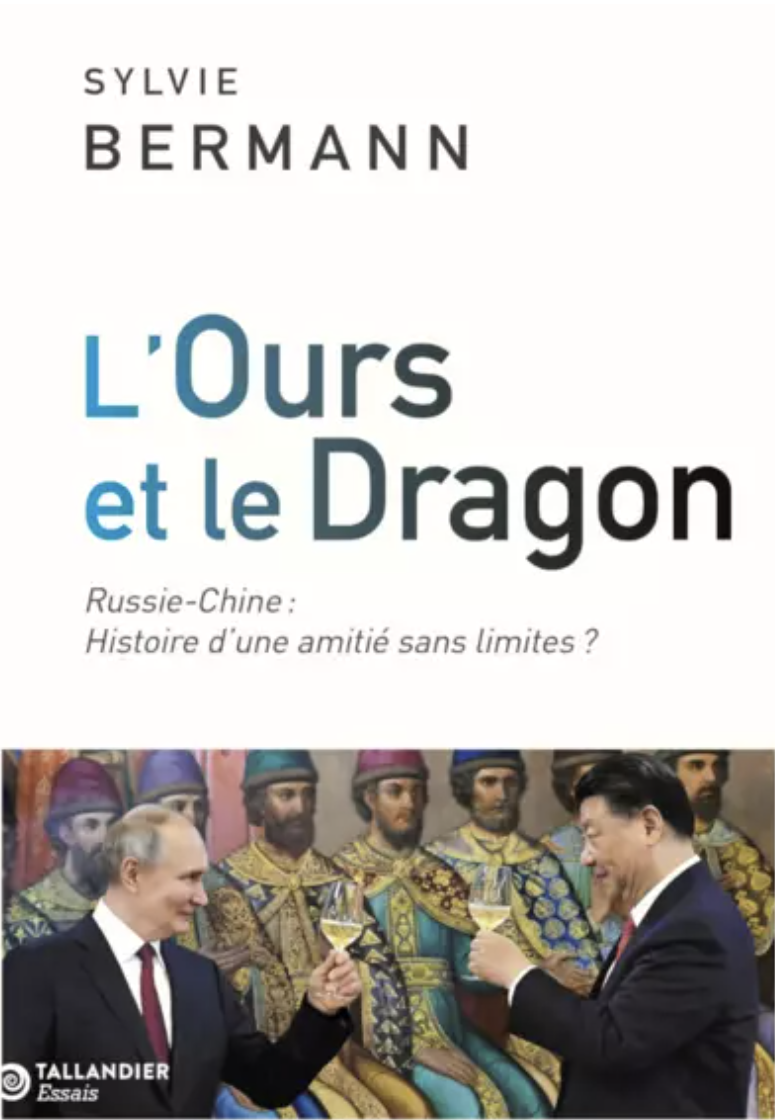
L’ancienne ambassadrice de France à Pékin et à Moscou, Sylvie Bermann, se penche sur cette proximité dans L’Ours et le Dragon : Chine-Russie : Histoire d’une amitié sans limites ? (Tallandier). Elle y brosse un portrait éclairant de la relation de la Chine avec les grandes puissances et de son ascension progressive dans ce cercle restreint. Car avant de se poser en compétitrice des États-Unis, Pékin a longtemps été ballottée au gré des intérêts des puissances dominantes des époques successives. À cet égard — et ce n’est pas le moindre des mérites de l’ouvrage — l’auteure convoque Hergé qui, dans Le Lotus bleu, plonge Tintin au cœur des événements entourant l’invasion japonaise du sud de la Mandchourie en 1931. Comme quoi le jeune journaliste francophone figurera toujours parmi les grandes figures géopolitiques du XXᵉ siècle.
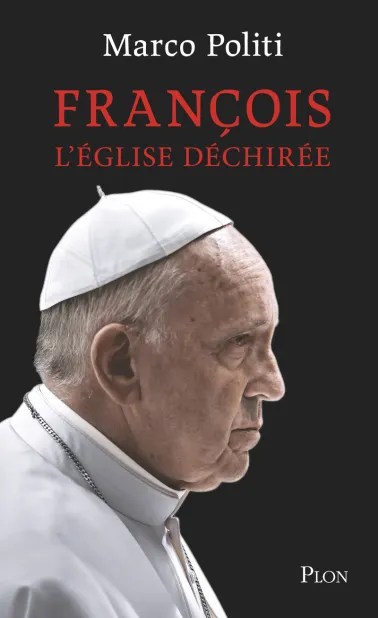
« Gouverner épuise », constate Marco Politi dans son livre François. l’Église déchirée (Plon), au sujet pontife disparu le lundi de Pâques, 21 avril 2025. Bien que cette remarque concerne tous les dirigeants, elle s’impose avec une intensité incomparable pour une figure dont le destin fut de marcher sur les lignes de crête d’une institution réunissant plus de 1,4 milliard de croyants à travers les cinq continents.
Qu’il s’agisse des passes d’armes entre progressistes et conservateurs ou de la méfiance nourrie par une génération montante, rétive aux structures personnifiées par une figure de proue perçue comme autocratique et « à qui l’on reproche souvent son manque de mysticisme » — comme s’il s’agissait d’un péché capital —, cet expert ès affaires vaticanes rappelle que « les guerres intestines sont souvent féroces. » Marco Politi en retrace les contours avec la précision d’un astrophysicien scrutant la Voie lactée. Ainsi, au fil des pages, on prend la mesure du « vent violent » qui aura soufflé contre François jusqu’à la toute fin — et peut-être même davantage encore aux dernières lueurs de son ministère pétrinien — alors que ses opposants, parmi lesquels des traditionalistes en pleine ascension, voyaient enfin poindre le moment où sonnerait leur heure.
À 99 ans, son esprit et sa plume demeurent toujours aussi aiguisés. Henry Kissinger distille son expertise aguerrie des relations internationales et, malgré les controverses suscitées comme lorsqu’il conseillait que l’Ukraine devienne « […] un État-tampon entre la Russie et l’Union européenne », ses lumières sont toujours aussi éclairantes parce qu’elles sont dénuées de l’émotion chevillée au corps de la « tyrannie de l’instant ».
Henry Kissinger m’accompagne intellectuellement depuis mes années universitaires, alors que je me plongeais dans son livre-phare Diplomatie et que je partais à la recherche de sa dernière tribune. Nous n’avions pas accès aux banques de données à cette époque. L’exercice n’était donc pas aussi simple et rapide qu’aujourd’hui. Il ne cesse depuis de me fasciner et je prête toujours une oreille très attentive à ses propos.
J’étais donc extrêmement heureux de plonger le nez dans la biographie que lui a récemment consacré le diplomate français Gérard Araud. Henry Kissinger : le diplomate du siècle (Éditions Tallandier) propose un tour d’horizon solide de la vie, de la pensée et de l’oeuvre du grand homme. Alors que l’Holocauste frappe son Allemagne natale, l’adolescent juif de 15 ans arrive avec sa famille aux États-Unis en août 1938. C’est le début d’un parcours exceptionnel qui verra le jeune académique s’épanouir dans les cercles du pouvoir américain après la Seconde Guerre mondiale.
Sir Lawrence Freedman (credit: Boston Consulting Group)
Sir Lawrence Freedman is not only an internationally acclaimed author, but he is also the dean of British strategic studies and Emeritus Professor of War Studies at King’s College London. I have a boundless admiration for this institution and I hope to enlist in the near future to the online Master’s Degree in War Studies it offers.
Sir Lawrence generously accepted to answer a few questions for this blog and I am extremely grateful for that. Here is the content of our exchange.
Russia is a constant challenge because it feels itself at threat from the West and has taken a tough stance that creates an edginess.
My point was then that the withdrawal from Afghanistan, chaotic though it was, was unfortunately expected and the lesson (not to put substantial ground forces into a civil war) had been learned a decade earlier. Russia is a constant challenge because it feels itself at threat from the West and has taken a tough stance that creates an edginess, especially as it plays a disruptive role in European affairs. It poses a challenge that is serious but should be manageable as its underlying position if weak. China has been getting stronger for the past three decades year on year, although that growth may be stuttering now. It has turned itself into a great power, militarily as well as economically, and under Xi has taken a much more assertive stance on a whole range of issues. I believe this stance will turn out to be counter-productive, but it creates a risky and dynamic situation which could spark a wider confrontation (see answer to next question).
Dr. Kerry Brown, Director of the Lau China Institute and Professor of Chinese Studies (source: China Daily).
After the publication of my recent review of his insightful book about the history of China (Polity Books), Professor Kerry Brown kindly accepted to answer my questions about the relationship between the United States and China – an extremely timely subject. Without further introduction, here is the content of our exchange.
Chinese still admire some aspects of the western world, but not, anymore, its political figures.
On page 71 of your compelling book, you write that President Nixon was impressed “[…] witnessing Zhou Enlai redo the front page of the People’s Daily.” I often ask myself if any figure has a comparable influence in Xi Jinping’s entourage?
I imagine the figures from the outside world that most impress Chinese leaders today are more our business or technology leaders than our political ones. The excitement of new acquaintance from the Nixon era has long gone. Now, figures like Warren Buffett probably arouse more interest in China, or Bill Gates. I guess this is simply a sign that Chinese still admire some aspects of the western world, but not, anymore, its political figures.
I think we deceive ourselves if we do think individuals can magically find a way around the issue of the relationship between China and the US.
In the case where there would be no such influential figure, do you think it would help, notably in the relations with the US, and why?
Henry Kissinger is still listened to in China, and indeed, till recently, went there. I don’t know however whether intermediary figures are of much help now. This is not an issue of individual people being able to sort this out – the disagreements between China and the US are structurally too deep. There are maybe groups of people who might, over time, help – academics, perhaps, in trying to at least maintain some middle space. But I think we deceive ourselves if we do think individuals can magically find a way around this issue.
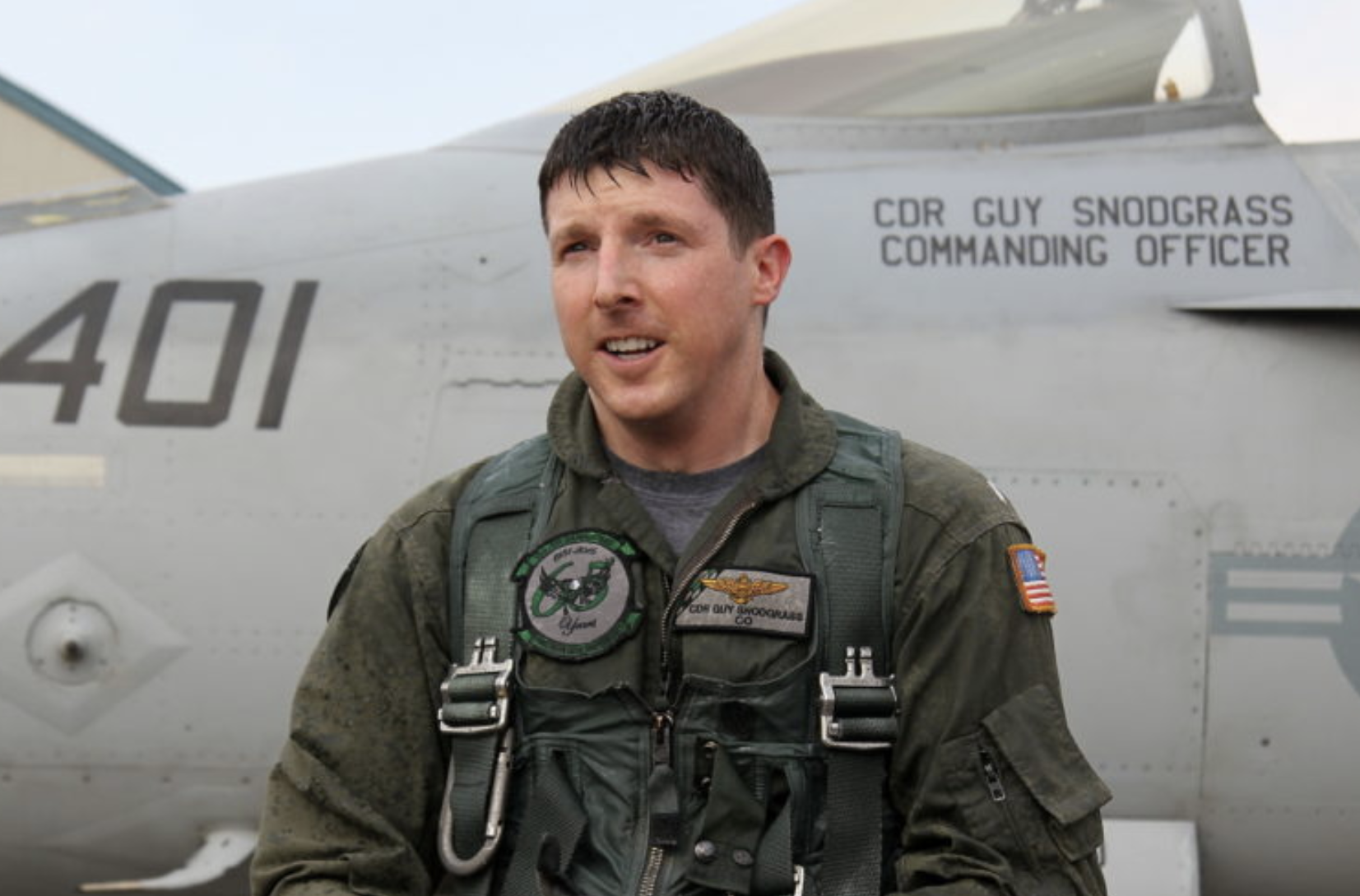
Commander Guy M. Snodgrass (USN, Retired), author of Holding the Line: Inside Trump’s Pentagon with Secretary Mattis.
In the process of writing my review of his excellent book, Holding the Line: Inside Trump’s Pentagon with Secretary Mattis, I got in touch with Commander Guy M. Snodgrass (USN, Retired), asking if he would agree to respond to a few questions for my readers. Despite a busy schedule and numerous media requests in relation with his book, he kindly accepted. I’m both grateful and impatient to put my hands on his upcoming book.
Commander Snodgrass, what’s your favorite political memoir, apart from Peggy Noonan’s (I assume it’s on the top of your list)?
All Too Human: A Political Education by George Stephanopoulos.
His favorite bios are the ones written about Henry Kissinger and George H. W. Bush
What’s your favorite biography? (My little finger tells me it might be “Kissinger” by Walter Isaacson).
Either Kissinger by Walter Isaacson (for it’s no-holds portrayal of Kissinger) or Power and Destiny by Jon Meacham (the biography of former President George H. W. Bush).
Given your past career, you certainly nourish an interest in military history? What’s your favorite book in that category?
I’ll give you the standard TOPGUN answer to your question: it depends. I have a lot of ‘favorites’ depending on the application or topic at hand. Top three are: Eisenhower At War by David Eisenhower, The Nightingale’s Song by Robert Timberg, and The Encyclopedia of Military History by Ernest and Trevor Dupuy. For fun I’ll throw in Robin Olds’s Fighter Pilot.
NATO Secretary General Jen Stoltenberg is largely unflappable, calm under pressure, and a gifted politician who never seemed to be a loss for words during a press conference.
During your tenure with Secretary Mattis, which international personality (military or political) left the best impression on you and why?
Jen Stoltenberg, Secretary General of NATO. He is largely unflappable, calm under pressure, and a gifted politician who never seemed to be a loss for words during a press conference.
The U.S. must find ways to coexist with both nations (Russia and China) on the world stage while holding the line with regards to U.S. interests.
I’d be very curious to know if you share Henry Kissinger’s vision about Russia and China? (I would have loved to read more about it in your book, but I understand it was not its scope)
No, at least not the way Kissinger views them now. Russia and China actively work to subvert U.S. influence around the world. Kissinger is far too eager to rush into their arms from what I’ve seen from him in recent years. Regardless, the U.S. must find ways to coexist with both nations on the world stage while holding the line with regards to U.S. interests.
Are you working on another book or is it something you are planning?
I was raised to put service before self, which is why a military career was so satisfying. I’m certainly open to pursuing a pathway that leads to a return to public service.
Would you consider a run for political office in the future?
Would I? Possibly. Both U.S. political parties are incredibly unsettled at the moment, so I have a hard time determining if recent shifts in platforms are permanent or merely a reaction to President Trump. I was raised to put service before self, which is why a military career was so satisfying. I’m certainly open to pursuing a pathway that leads to a return to public service. In the meantime, it’s an honor to be able to publish and make a positive impact in the lives of others.



 BookMarc