
Ike. He’s literally everywhere. Last month, Pete Hegseth’s movers dropped his globe while transporting it to the War Secretary’s office, where he wanted to showcase it. Both his painting and the one depicting Sir Winston Churchill adorn the office of the US Ambassador in London in the gripping miniseries The Diplomat. On the big screen, Pressure revisits the nerve-racking dilemma facing the Supreme Commander of Allied forces in Europe – portrayed by Canadian-American actor Brendan Fraser – over whether weather conditions would allow the D-Day invasion to proceed.
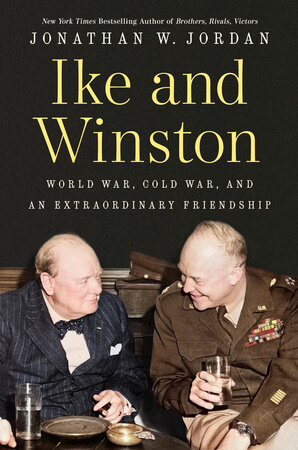
Bookstores, too, are riding the wave of this trend, with Jonathan W. Jordan offering a compelling new account of the long and tortuous partnership between two great statesmen in Ike and Winston: World War, Cold War, and an Extraordinary Friendship (Dutton). The military historian makes a persuasive case that the intriguing bond between these two giants still has much to teach us.
I take exception, however, to the book’s subtitle, which refers to an “extraordinary friendship”, because the two men espoused markedly different worldviews. In what is arguably the most striking passage in the book, the award-winning historian writes: “Churchill saw governments as extensions of men—their courage, their cowardice, their wisdom, follies, and perfidy. Ike saw governments as machines with human parts. When a part wore out, it was replaced, and the engine chugged away as before—whether the replacement part was an army private or a head of state”.
Continue reading “Ike and Winston: The Realist and the Romantic”
