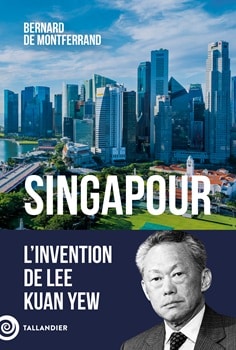
L’école Lee Kuan Yew

Je me suis longtemps demandé pourquoi Lee Kuan Yew suscitait une telle admiration chez tant de chefs d’État et autres personnalités de premier plan. Je pense ici notamment à Henry Kissinger et Tony Blair. Cette interrogation est demeurée en suspens jusqu’à ce que je mette la main sur la biographie que lui a consacrée l’ancien ambassadeur Bernard de Montferrand, Singapour : L’invention de Lee Kuan Yew (Tallandier). Déjà, l’association de la création d’un pays à un seul homme témoigne de la stature exceptionnelle du personnage. L’ouvrage retrace un parcours hors du commun dont les pages ont été écrites par une personnalité tout aussi singulière.

Après des études interrompues par la Seconde Guerre mondiale, ce fils de la diaspora chinoise prend la route de la Grande-Bretagne, où il est formé à Cambridge et à la London School of Economics. Pour tout dire, c’est « un pays qu’il admire profondément », et il ne dissimulera jamais une sincère anglophilie. De retour au pays, sa voie est tracée. La politique est sa vocation, la construction d’un État son destin. L’auteur – qui fut ambassadeur de France dans ce pays – rappelle à cet égard que « tout le « miracle » singapourien réside dans les années de lutte politique qui ont formé son « père fondateur » ».

poursuivre la lecture
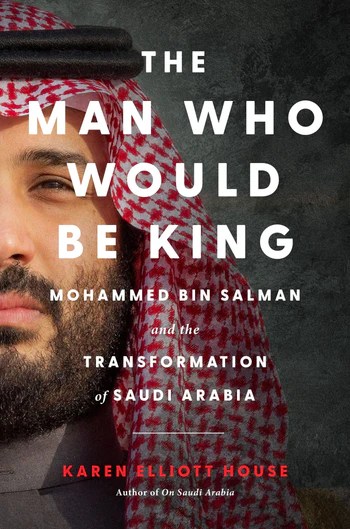
How MBS Reshapes His Kingdom and the World

“If you don’t stand out, you might as well disappear”, said Saudi Crown Prince Mohammed bin Salman. Since the beginning of the reign of his father, King Salman bin Abdulaziz Al Saud, the rise of the heir to the throne has been nothing short of meteoric. In an informative and enthralling new biography, veteran journalist Karen Elliott House seeks to explain the forces that shaped him. Moving with speed, innovation, and determination, MBS has become an essential piece on the international chessboard.

After King Abdullah’s death in January 2015, the young prince moved quickly to consolidate his father’s prerogatives as the new sovereign—so much so that “King Salman and his son are indisputably the strongest rulers in the history of Saudi Arabia”. As the sixth son of the new king, MBS would not normally have been expected to become heir to the throne. But that is precisely the point: he was not supposed to. He outmaneuvered any potential opposition to his father’s reign—over which he came to wield decisive influence—neutralizing roadblocks from extended family members, religious fundamentalists, and other detractors. One of the most striking examples of his boldness unfolded at Riyadh’s Ritz-Carlton on the night of November 4, 2017, when what began as a financial discussion ended with what could be described as a tax readjustment to correct wrongdoing. As a student of history, MBS heeded Singapore’s founding father Lee Kuan Yew’s advice to clean the stairs starting at the top.

Continue reading “How MBS Reshapes His Kingdom and the World”