
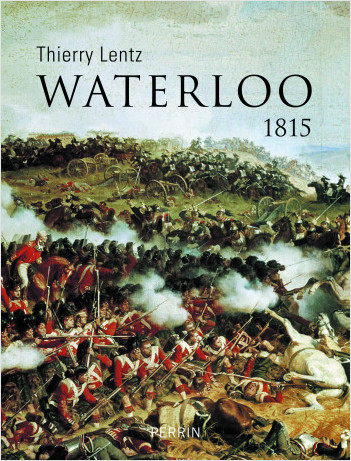
 L’été 2014 fut le plus beau de ma vie, en ce qu’il m’a offert le privilège de visiter une multitude de champs de bataille et lieux historiques sur le continent européen. De ceux-ci, Waterloo figurait en tête de liste. Ayant toujours nourri un vif intérêt envers le Duc de Wellington, j’étais fasciné de passer une bonne heure dans ce que fut son quartier général à l’époque (et qui porte maintenant le nom de Musée Wellington).
Ayant habité en Écosse pendant plusieurs mois suite à cette visite, j’avais accès à plusieurs livres publiés à propos de la légendaire bataille sur les mornes plaines – les Britanniques étant friands de commémorer leur contribution à la défaite de l’Aigle. Un bel après-midi d’hiver, alors que je me trouvais dans une librairie d’Édimbourg, mon regard se posa sur un petit livre de l’historien Brendan Simms portant sur la contribution des hommes de la King’s German Legion dans la défense de la ferme de la Haye Sainte – laquelle fut cruciale dans la victoire de Wellington et ses lieutenants.
Je me propose de rédiger quelques lignes bientôt à propos de cet ouvrage, mais je me limiterai ici à mentionner qu’il m’a ouvert les yeux sur le fait que Waterloo n’est pas exclusivement une victoire britannique, et ce, avec tout le respect que je dois à mes ancêtres écossais qui ont pris part à la bataille.
Cet état de fait est également soulevé de manière très éloquente par l’historien Thierry Lentz – qui est également directeur de la Fondation Napoléon – dans son excellent livre sur la bataille de Waterloo.
Après son retour aux Tuileries le 20 mars 1815, l’ancien Empereur déchu veut, selon les propos de l’auteur « convaincre l’Europe qu’il était décidé à vivre en paix avec elle, dans les frontières négociées en 1814 et sans velléité de reconquête d’aucune sorte. » Les participants du Congrès de Vienne refusent et « […] Napoléon devait en effet, une fois de plus, jouer son trône sur un coup de dés. »
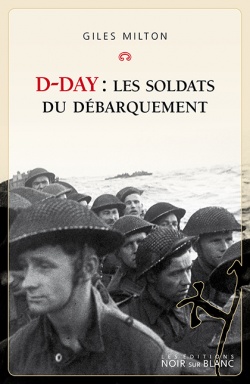 Je me suis souvent posé la question à savoir comment se sentaient les soldats qui ont été parachutés et qui sont débarqués en Normandie dans le cadre de l’Opération Overlord. À la fin de l’été 2015, j’ai eu l’immense privilège de fouler le sable de Juno Beach, le secteur canadien du débarquement. Après la visite d’une position fortifiée, nous nous sommes dirigés sur la plage avec notre guide. J’ai alors été envahi d’un double sentiment. Je ressentais d’une part une très grande fierté de savoir que les bottes canadiennes ont traversé ce sol sacré pour libérer l’Europe de la horde brune. D’autre part, je ne pouvais m’empêcher de me demander comment ces hommes se sentaient au moment d’accomplir le destin auquel leur dévouement les appelait.
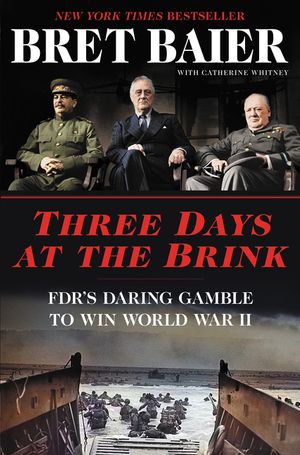 I have always loved to read about FDR, one of my favorite Presidents. Being a fan of presidential libraries and having done some research in a few in the past, I have vivid memories of the time I spent at his inspiring Presidential Library at Hyde Park. I was therefore very interested in Bret Baier’s latest book, not only because it covers a period of contemporary history – World War II – for which I have an unquenchable intellectual thirst, but also because he dove into the presidential archives, a real treasure trove for anyone eager to fully understand the magnitude of the accomplishments of those larger than life Commanders in chief who lead America at crucial times.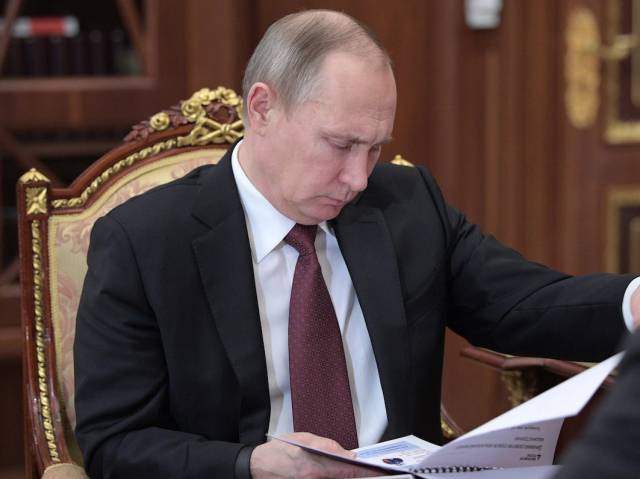
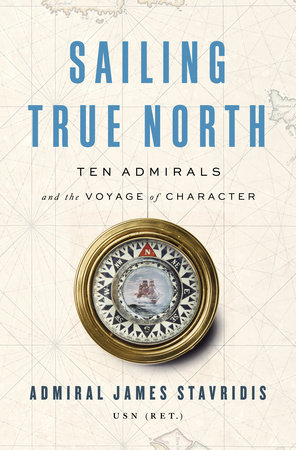 Sea Power has always fascinated me. I will forever cherish the memories of walking in the footsteps of Admiral Chester Nimitz in Pearl Harbor and Admiral Horatio Nelson at Gibraltar. Back in 2011, I spent a night on the Rock and had trouble sleeping. Heat certainly had something to do with it, but I was also pondering how the British legend spent his days here, defending the interests of King and Country at the entrance of the Mediterranean Sea. I like to think that I might have crossed his spirit while walking in the beautiful streets of this British Overseas Territory.
 Few years ago, while visiting in Italy, I booked a talented guide to visit Monte Cassino and its vicinity. As I left the train, upon arriving in the bucolic town whose name is associated to one of the most famous battles of World War II, I was struck by the breathtaking landscape. Up above a steep mountain, the famous Benedictine Abbey lays towering over the surrounding valley.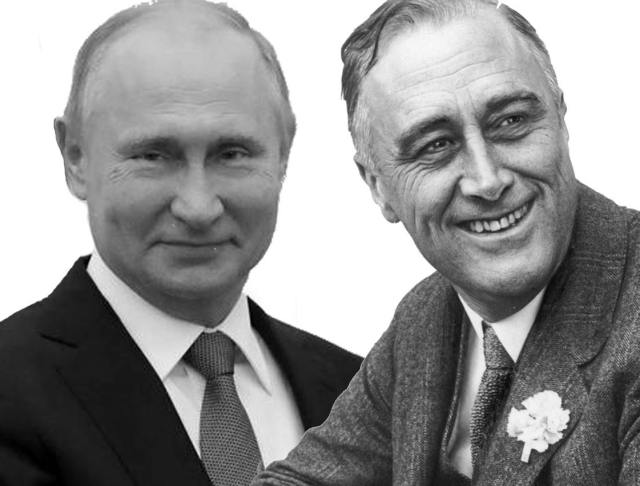
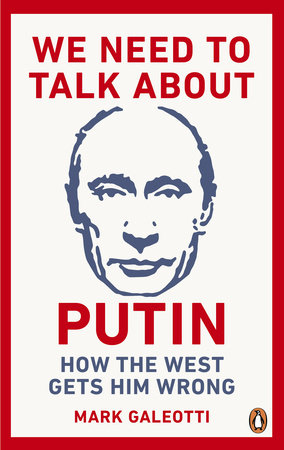 On page 22 of your excellent book about President Putin, you write “If people think you are powerful, you are powerful.” On page 53, you refer to “purposeful theatricality”. In your book, Putin doesn’t come across as a bad person. Is there an important difference between the public and private persona of the Russian President? How is Mr. Putin different in private than what he shows in public?
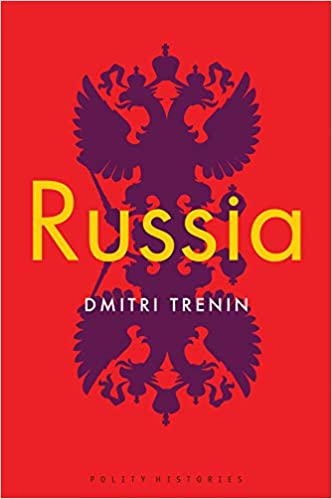 I will always be amazed at how Lenin succeeded in carrying the day in the Fall of 1917, with only a handful of followers. But one of the main characteristics of the first Soviet leader, according to the author, who is also Director of the
  BookMarc